Streamers are the fastest way to move a big trout. These baitfish and leech imitations imitate the meaty prey that large fish hunt, triggering hard reaction strikes rather than delicate sips. If you want to target the aggressive trout that ignore small flies, streamers open a whole new game.
Success comes down to reading water, rigging the right line, and retrieving with intent. This guide covers where big fish hold, the rods and sink tips that reach them, proven patterns, effective retrieves, ideal conditions, and how to strip set. Start with why streamers move larger trout at all.
Why Streamers Move Bigger Trout
Large trout are predators, and a streamer offers a calorie-rich meal they cannot easily ignore. A single sculpin or leech delivers more energy than dozens of tiny mayflies. That trade of high reward for low effort is exactly what turns a big, lazy fish into an aggressive hunter.
Fish strike streamers from hunger, territory, or pure reflex, so you do not always need feeding trout to get bites. Stripping a big fly past a hidden lie often provokes the dominant fish that ignore dries and nymphs, which makes streamers one of the best searching tactics available.
Reading Water and Where to Cast
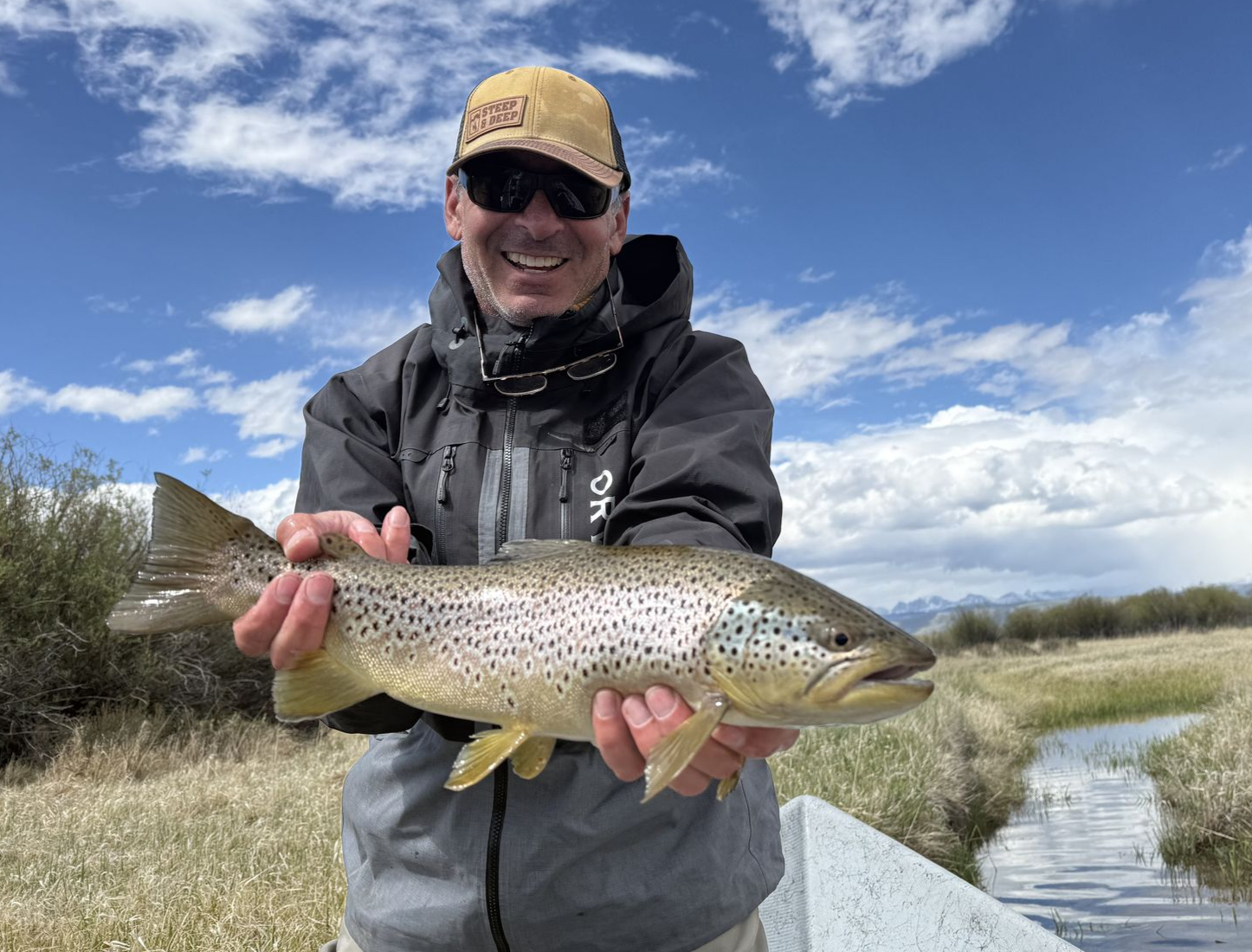
Big trout hold where they burn little energy but can still ambush passing prey. Reading water for streamer fishing means finding those ambush points and putting your fly right against them. Learn to spot the structure that shelters large fish, and you will find far more of them.
- Slow seams beside fast current, where fish rest and watch the conveyor of food.
- Tailouts and the deep ends of pools, where the water slows and deepens.
- Pockets and cushions behind rocks that break the flow.
- Undercut banks that hide big trout in shadow.
Cast tight to that structure, then cover new water often instead of grinding one spot. A streamer is a searching fly, so keep moving and make every cast count. Check the current fishing report before you go to learn which runs are holding fish and how high the water sits.
Rods, Lines, and Sink Tips
Streamer fishing asks more of your gear than dry fly work. A six or seven weight rod carries larger, heavier flies and drives a solid hook set at distance. That extra backbone also helps you steer big trout away from the wood and rocks they call home.
Line choice controls depth. A floating line works well in shallow water and lets you fish streamers just under the surface, while a sink tip line for streamers pulls the fly down to reach deeper lies. Match the sink rate to how deep the fish are holding.
Keep leaders short when fishing a sink tip, since a long leader lets the fly ride up away from the depth you worked to reach. Use heavier tippet in the 3X to 1X range so it turns over bulky patterns and survives the violent grab of a big trout.
Choosing the Right Streamer Pattern
Woolly buggers, sculpin imitations, leech patterns, and articulated streamers all catch trout, so start with a fly you trust rather than chasing the newest option. Confidence keeps a fly in the water longer, and time in the water catches fish. A pattern you believe in gets fished better.
Color choice follows a simple rule that rarely fails. Fish bright flies on bright days and dark flies on dull, overcast days, since a strong silhouette helps trout track the fly. In off color, high water, choose patterns that push water and move plenty of material.
Bulky, water-pushing flies send out vibration that trout feel through their lateral line, helping them find the fly when they cannot see it. On big western water like the Snake River, that thump often makes the difference between a follow and a committed, hard eat.
Retrieves and Presentation Techniques
The classic retrieve is a strip, strip, pause with the rod tip held low and pointed at the fly. Most strikes come on the pause, when the fly sinks and looks wounded. Keeping the rod tip low removes slack so you feel every take and can react fast.
Vary the rhythm until fish tell you what they want, and add small rod tip twitches to make the fly dart and pulse. You can also swing a streamer across the current, dead drift it like a nymph, or jig it along the bottom for holding trout.
Your casting angle decides how deep the fly runs and how soon the trout sees it. An upstream cast gives the fly time to sink before the retrieve, while a down and across angle keeps it shallow and swimming, showing the fish the fly almost immediately.
Best Water and Weather Conditions
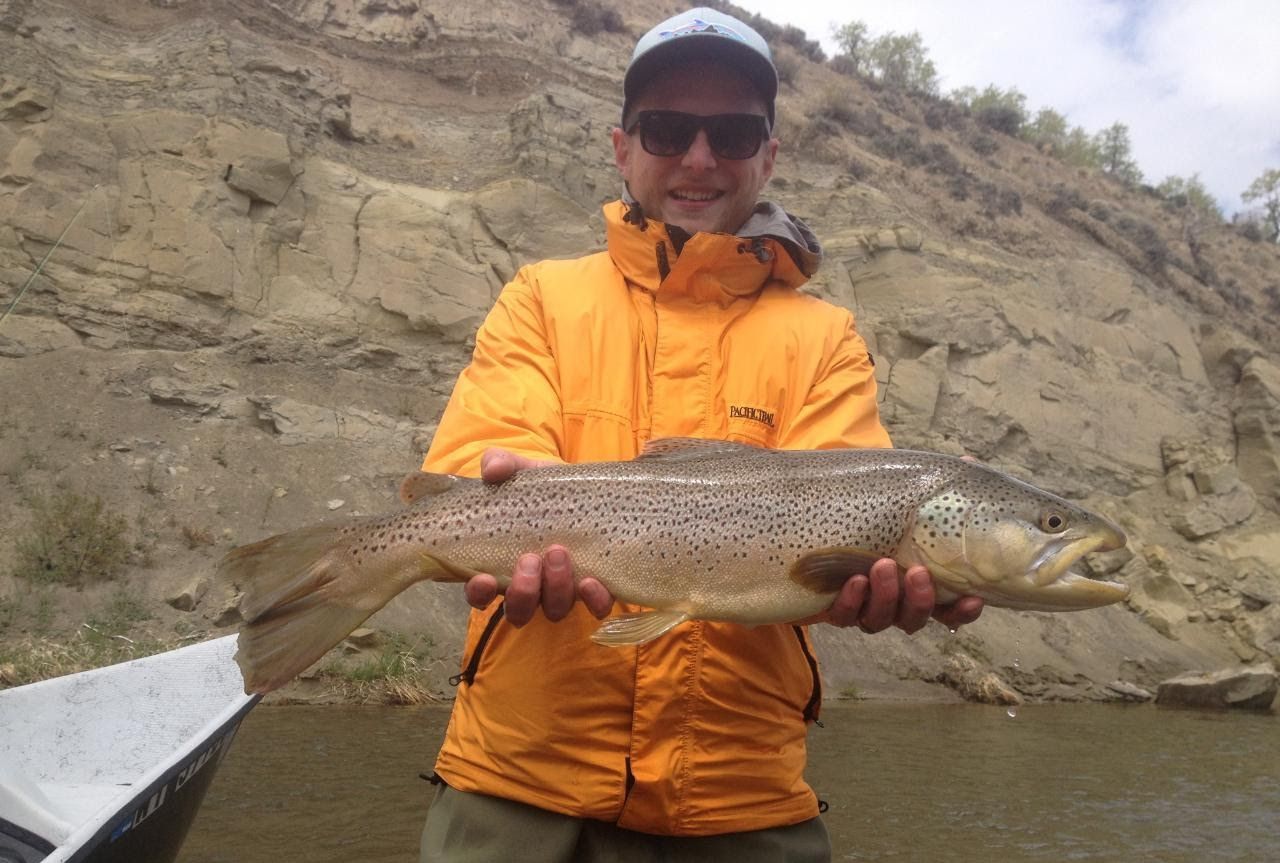
Streamers shine when conditions turn a little ugly. High, off color water after rain, low light, and overcast skies all push big trout to feed with less caution. Streamer fishing in high water can be excellent, since a rising, stained flow moves fish and hides your approach.
Water temperature sets the pace of your retrieve. In warm water, trout chase hard, so faster strips draw reaction strikes and cover more water. In cold water, slow everything down with longer pauses, because sluggish fish will not run down a fly moving too quickly.
Setting the Hook the Right Way
When a trout hits, resist the urge to lift the rod like you would on a dry fly. That trout set pulls the fly up and away from the fish, often missing the hook. The strip set is the move that turns hard grabs into landed trout.
Keep the rod tip low and pull hard with your line hand to drive the hook home. This also keeps the fly in the strike zone, so a trout that misses on the first swipe often comes back and eats on the second. Only lift the rod once you feel weight.
Ready to Chase Western Trophy Trout?
Streamer fishing rewards practice and a feel for water that only builds over time. Reading structure, rigging for depth, choosing a pattern, and setting hard all come together once you commit to the method. Every big trout you move teaches you something the next cast can use.
Local knowledge of where big trout hold shortens that learning curve on unfamiliar western water. If you are planning a trip, our trophy trout trips put you on the best lies with a guide who knows them, so get in touch and we will match your dates to prime conditions.
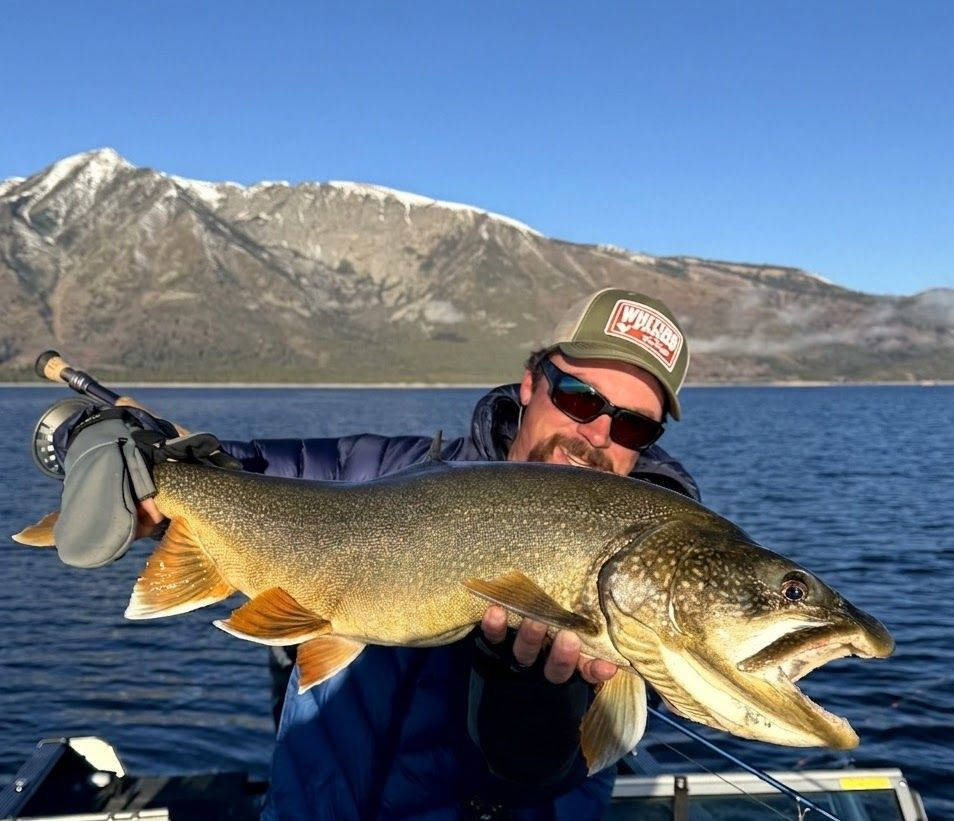
Jason Moore
Owner & Head Guide
A native of Upstate New York and a two-time JH One Fly Champion Guide, Jason's ownership of Jackson Hole Anglers marks a new chapter for the business. An expert boatman with a lifelong dedication to fishing, hunting, and skiing, he brings unmatched enthusiasm and deep institutional knowledge to every trip. As a proud husband and father, Jason understands the value of making lasting memories. Friendly and focused, he is committed to delivering first-class personal attention, ensuring every day on the river is productive, memorable, and reflects the elite standards of the region's premier guiding service.
More From the Water