Fly Fishing Etiquette on Western Rivers: How to Share the Water

Jackson Hole Anglers • September 18, 2026

One of the great pleasures of fishing Western rivers is the room to breathe. Long stretches of water, big skies, and an unhurried pace are a big part of why anglers travel to places like Jackson Hole. You will still share the river with other wade anglers and drift boats, particularly near popular access points on a summer morning.

Good etiquette is what keeps that shared experience easy and friendly. None of it is complicated, and most of it comes down to giving people room and paying attention to who is around you. Here is how to share the water so every angler, including you, has a great day on the river.

Key Takeaways

  • Room to breathe is one of the best parts of Western fishing, and good etiquette helps keep it that way.
  • Let the angler already fishing a run have it, and choose your own water with plenty of space.
  • Step in well above or below someone, and avoid low-holing, which means dropping in just downstream of them.
  • When in doubt, ask. Most anglers welcome a friendly question about which way they are moving.
  • Boats pass behind waders and pause their casts, while waders keep the navigable lane open.
  • Early mornings, evenings, weekdays, and quieter rivers make it easy to find your own stretch.
  • A guide handles the where and when, so you can focus on fishing and enjoying the day.

Why Good Etiquette Makes Every Day Better

Western rivers are known for giving anglers space, and that sense of room is worth protecting. Courtesy on the water is not about strict rules or policing other people. It is a shared understanding that lets everyone fish their own water, cast without worry, and take in the scenery.

Good etiquette helps the fish too. Trout that are not spooked by careless wading or a boat pushed through the middle of a run keep feeding, which means better fishing for everyone downstream. A calm, considerate approach tends to put more fish in the net, not fewer.

Finally, good habits make you a welcome neighbor on the river. Most anglers are happy to share a stretch with someone who is clearly paying attention. A quick hello, a question about which way someone is moving, or a wave from a passing boat sets a friendly tone for the whole day.

Give Other Anglers Room

The most important habit is giving space. If someone is already fishing a run, let them have it, and choose your own water with enough room that neither of you feels the other is in the way. There is no fixed distance that fits every situation, because a narrow side channel and a wide riffle call for very different spacing.

A good rule of thumb is to think about how far the other angler is likely to cast and how far they might move. If there is any chance your fly will land in water they are working, you are too close. When in doubt, leave more room than you think you need, and you will rarely go wrong.

Walking the bank counts too. Stay well back from the water as you pass someone, rather than walking along the edge of the run they are fishing. Trout feel footsteps and notice movement, and a thoughtful approach keeps their fish feeding. A few simple ways to give room:

  • Pause and watch for a moment before stepping in, so you know where others are fishing.
  • Ask a nearby angler which direction they are working if it is unclear.
  • Walk behind other anglers, away from the water, rather than along the edge.
  • Pick a different run if the one you had in mind is already being fished.

Respect Who Got There First

On moving water, the angler who arrived first has that run. If you would like to fish nearby, step in well above or well below them, with enough distance that you are not fishing the same water. Most anglers work slowly upstream or downstream through a run, so it helps to notice which way they are heading and leave them room to keep moving.

Dropping in just downstream of someone, often called low-holing, is the classic misstep to avoid. It means casting to fish the other angler is working toward, and it can quickly spoil a friendly encounter. Usually it happens by accident, simply because someone did not look around before they started fishing.

If you are unsure, just ask. A friendly question about which way someone is moving, or whether they mind you fishing the tailout below them, is almost always welcome.

Sharing Water Between Boats and Waders

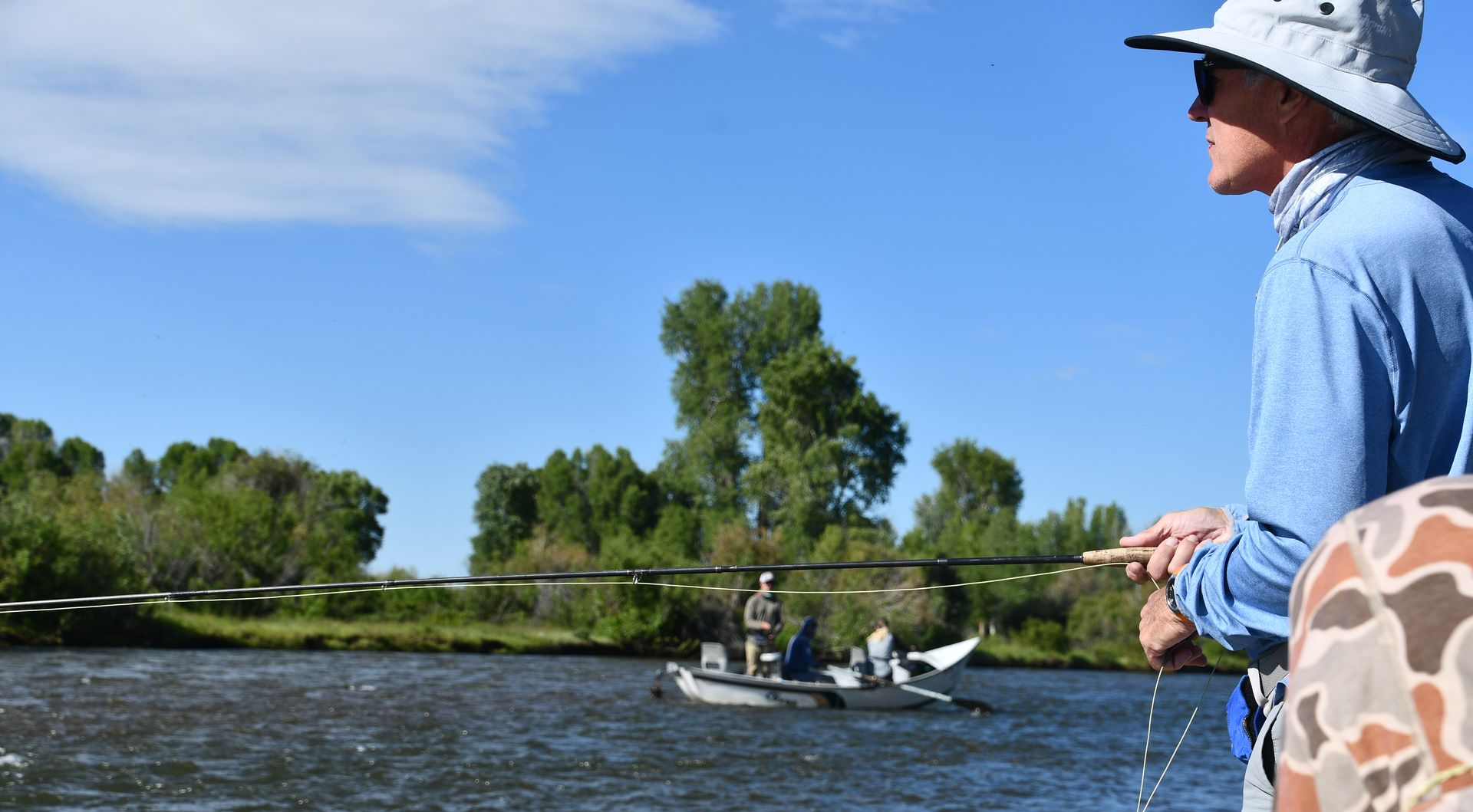
Drift boats and wade anglers share many Western rivers, and a little give on both sides keeps things smooth. When a boat approaches a wading angler, the courteous move is to pass behind them, on the far side of the water they are fishing, whenever the channel allows. Anglers in the boat can also pause their casts for a moment so they are not dropping flies into the wader's run as they float by.

Wade anglers have a part to play as well. Try not to stand in the only navigable lane, especially on narrower stretches, where a boat has no choice but to drift through your water. If a boat is coming, a quick glance upstream and a step toward the bank gives the rower an easy line.

When a boat and a wader meet, the simplest sequence looks like this:

  1. Make eye contact or wave so you both know you have been seen.
  2. The rower picks a line behind the wader, or well away from the water being fished.
  3. Anglers in the boat hold their casts until they are past.
  4. Everyone carries on fishing, usually after a friendly word across the water.

Finding Your Own Stretch of River

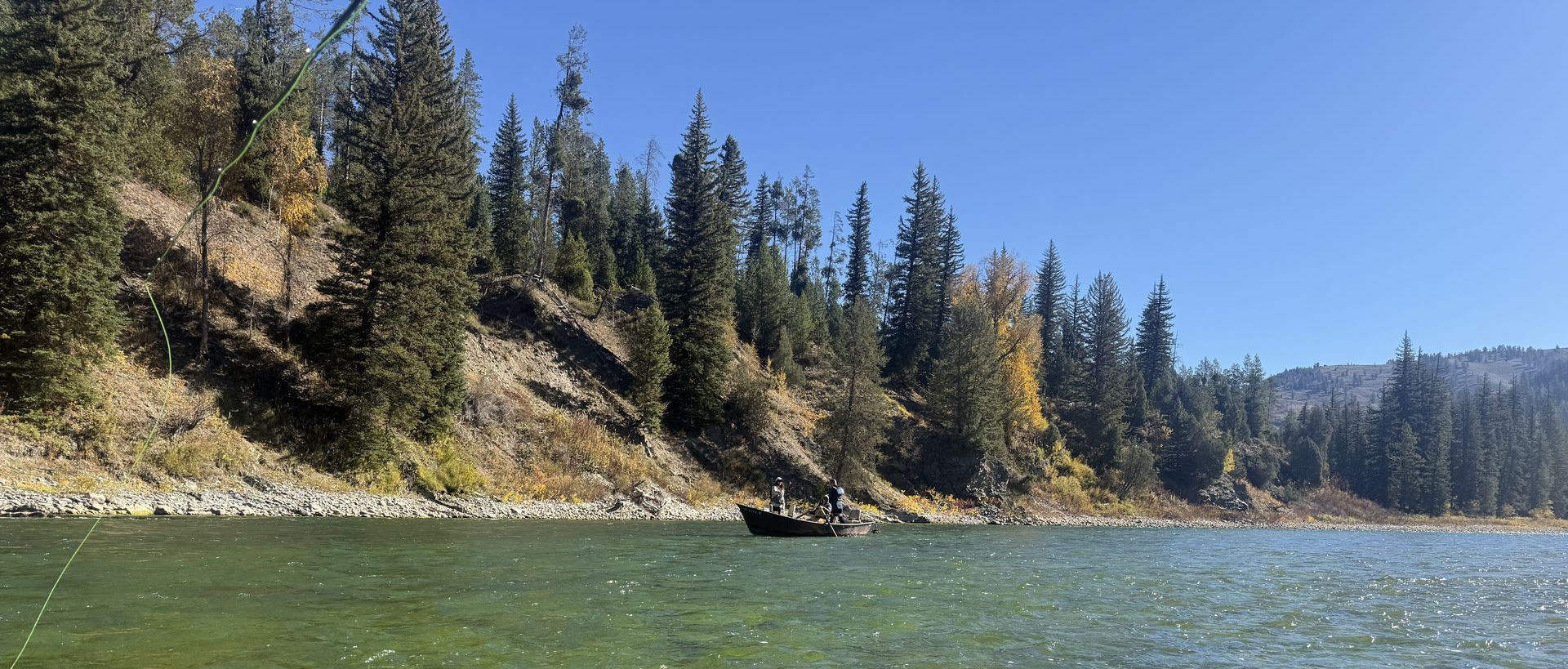
One of the best parts of fishing in the West is the sheer variety of water. Rivers like the Snake, the Green, and the Salt each have their own character, from big scenic floats to intimate wade water. Spreading out across that variety is part of what keeps the experience so peaceful.

If you enjoy a slower pace, relaxed Salt River fishing days are a good example, with a quieter feel and plenty of room to fish at your own rhythm. Timing helps as well, since early mornings and evenings often bring both calm water and active trout. Weekdays also tend to be more relaxed than weekends at the most popular access points.

This is where local knowledge makes a real difference. A guide who fishes these rivers every day knows which stretches suit the current conditions and where you are likely to find room to settle in. That frees you to focus on casting and enjoying the day rather than searching for a spot.

Etiquette a Guide Sees Every Day

Guides spend the whole season on the water, so their view of river courtesy is worth having. Head guide Jason Moore finds that nearly every good encounter on the river starts with simple awareness. When anglers take a moment to look around and think about the people sharing the water, things almost always go smoothly.

The good news is that most anglers on Western rivers are considerate, and a handful of easy habits cover nearly every situation. These are the ones guides model on every trip:

  • Look upstream and downstream before you step in, and pick water that gives everyone room.
  • Pass behind wading anglers, not between them and the fish they are casting to.
  • Keep noise and bank movement down near water someone else is fishing.
  • Handle fish gently and release them promptly, so the trout stay healthy for the next angler.
  • Pack out everything, including tippet scraps and leader ends.
  • Fish a run thoroughly, then move on, so others get a turn at good water.

Courtesy at the boat ramp matters too. Rig your rods and load your gear before you back down the ramp, launch efficiently, and move your vehicle and trailer out of the way. It is a small thing, and it sets a considerate tone before the first cast.

Ready to Cast a Line with Jackson Hole Anglers?

Good etiquette is mostly awareness and a little generosity, and it helps keep Western rivers the open, welcoming places anglers love. Give people room, respect who got there first, and share the water with a friendly wave. Do that, and nearly every encounter on the river will be a pleasant one.

If you would like someone else to handle the where and when, our private guided fly fishing trips pair you with a guide who knows where to find room and good water on any given day. To ask about timing or the best rivers for your dates, feel free to reach out to our guides before you plan your trip.

Share this article

Recent Posts

Person in black and green jacket by a river, holding a camera toward a rocky forested canyon.
By Jackson Hole Anglers • September 28, 2026
Fall in Jackson Hole means cooler rivers, hungry trout, the elk rut, and golden aspens. Here is what to expect on the water and around the valley.
Person holding a brown spotted trout in shallow water
By Jackson Hole Anglers • September 4, 2026
A balanced look at whether catch and release fly fishing is ethical, weighing fish stress, survival, and the honest case for careful release on wild rivers.
Wide river under a clear blue sky, with grassy banks and distant hills in sunlight.
By Jackson Hole Anglers • August 28, 2026
A practical breakdown of riffles, runs, pools, seams, and structure, showing where trout hold in a river and how to spot water worth fishing.
Close-up of a speckled fish tail on icy snow, with orange-edged fins and white ice crystals.
By Jackson Hole Anglers • August 14, 2026
A visual guide to the cutthroat, brown, rainbow, brook, and lake trout swimming in Jackson Hole rivers, with the markings that separate each one.
An angler cradling a large trophy trout on a western river
By Jackson Hole Anglers • August 12, 2026
A trophy trout trip trades numbers for size. Here is what a guided day covers, from techniques and gear to seasons, realistic catch rates, and fish handling.
Person releasing a silver trout into shallow water from a boat
By Jackson Hole Anglers • August 7, 2026
How to land, hold, unhook, photograph, and release a trout with the least stress, including air exposure limits and the temperatures that raise risk.
A fly angler wading a clear river to reach rising trout in Jackson Hole
By Jackson Hole Anglers • August 1, 2026
Selective trout refuse sloppy casts. A guide to reading rise forms, matching the hatch, drag-free drifts, stealthy approaches, and the right leader setup.
A guide rowing a drift boat with anglers casting on a western river
By Jackson Hole Anglers • July 24, 2026
Walk and wade or float fishing? A breakdown of how each trip works, plus the skill, fitness, cost, water, and group factors that point to the right choice.
A fly angler holding a large trout on a western river
By Jackson Hole Anglers • July 15, 2026
Streamers pull the biggest trout from western rivers. A guide to reading water, rigging sink tips, choosing patterns, working retrieves, and setting the hook.
A moose standing in a shallow river among willows in Jackson Hole
By Jackson Hole Anglers • June 26, 2026
A look at the moose, eagles, otters, and other animals anglers commonly see along Jackson Hole rivers, plus when and where sightings are most likely.
Show More