Selective trout can absolutely be caught, even when they refuse cast after cast. Those refusals rarely come down to luck. They usually trace back to fly choice and presentation, two things you can control. Small adjustments in how you read, rig, and deliver turn frustrating fish into landed ones.
This guide walks through the dry fly fishing tips that matter most on technical water. You will learn to read rise forms, match the hatch that day, present a drag free drift, approach quietly, and rig the right leader. Start by understanding why trout turn selective in the first place.
What Makes Trout Turn Selective
Selectivity happens when trout lock onto a single insect at a single stage. During a heavy hatch, hundreds of identical bugs drift overhead, so fish stop chasing anything different. They tune into one specific size, color, and profile, feeding with confidence on the pattern that dominates the water.
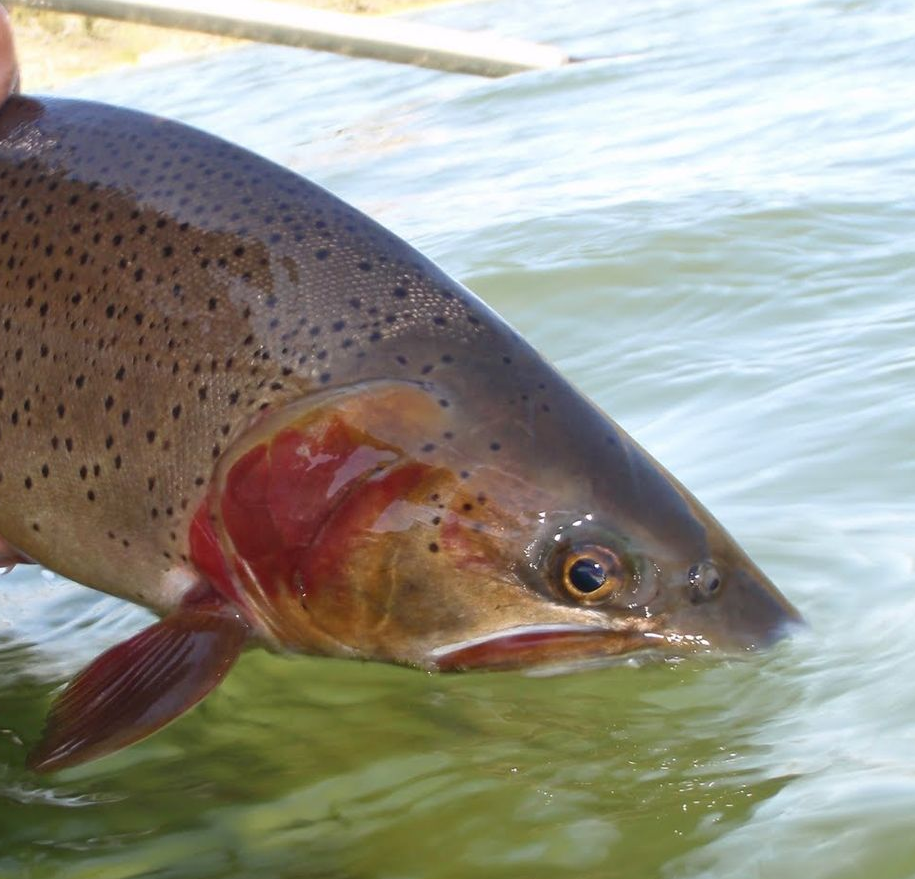
This is why generic patterns and hurried casts get refused so often. A fly that looks close but not exact stands out in the wrong way, and a drift that behaves unnaturally signals danger. On rivers like the Snake, wild cutthroat learn these lessons quickly and reward precision.
How to Read the Rise Form
The rise form tells you what trout are eating and where in the water column they are taking it. Before you change flies, watch the surface closely for a minute. The shape, speed, and sound of each rise carry more information than most anglers ever stop to notice.
- Splashy, aggressive rise: Trout chasing emergers or fast moving insects.
- Steady slurp: Adult insects riding in the surface film.
- Gentle sip: Spent spinners lying flush on the water.
Look for bubbles left behind after a rise, since they confirm the fish actually broke the surface to eat rather than feeding just beneath it. A rise without bubbles often means the trout is taking emergers below the film, which changes your fly choice entirely.
Matching the Hatch That Day
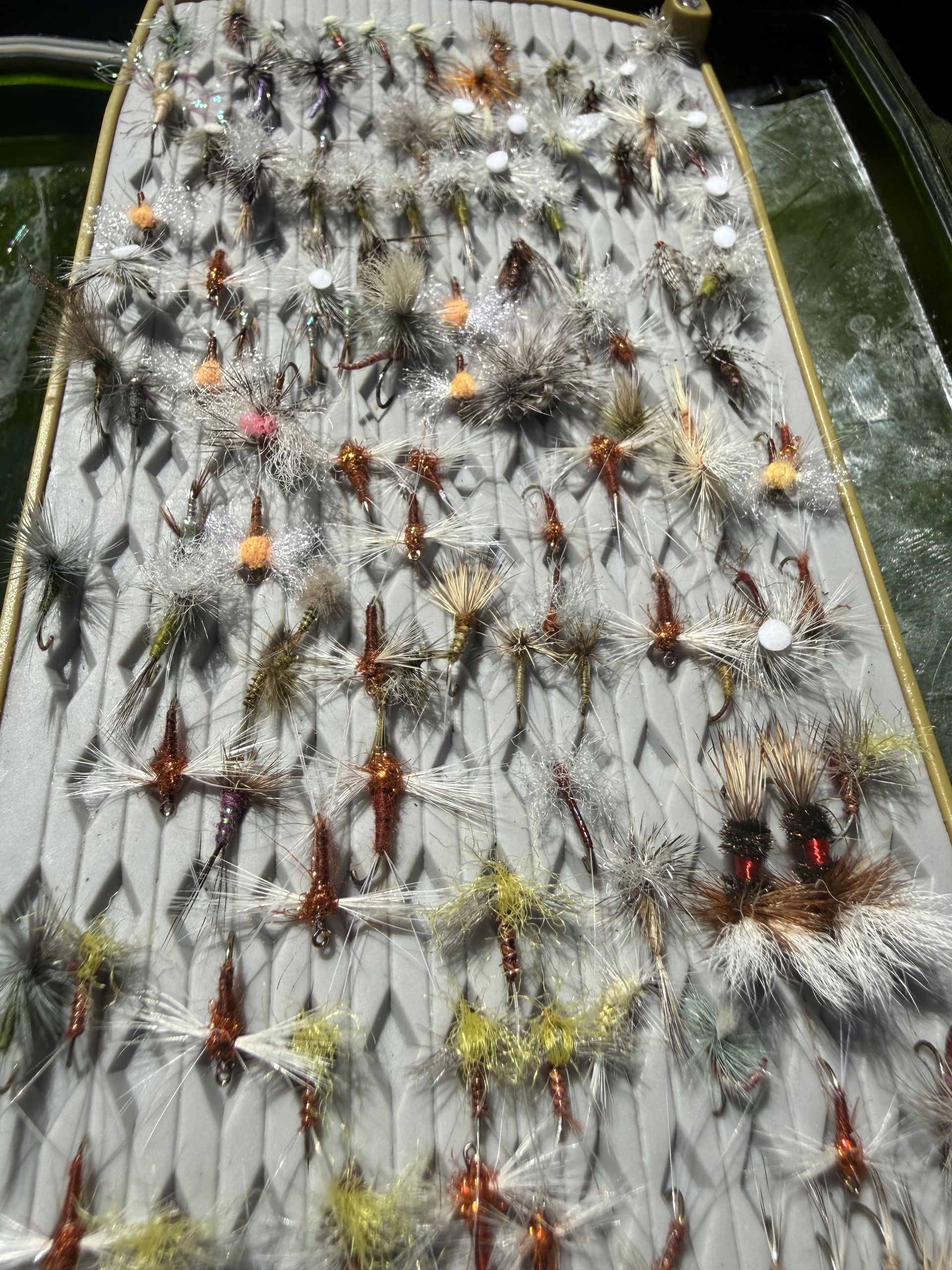
Matching the hatch starts with identifying the insect on the water by size, color, and stage, then choosing a pattern that mirrors all three. Turn over a streamside rock, watch what drifts past, and check the current fishing report before you go so you arrive with the right flies.
Low riding emergers and film patterns often outfish high floating flies during a hatch, because most trout key on insects struggling in the surface rather than fully winged adults. When fish refuse a crisp dry, drop to a cripple or emerger that sits lower and looks vulnerable.
Carry a few styles of each key bug so you can adjust without leaving the run. A single mayfly hatch might call for a dun, a cripple, and a spinner within the same hour. Having options ready lets you respond to changing behavior instead of hoping one fly works.
Presenting a Drag Free Drift
A natural, drag free drift is the single biggest factor when fishing to selective trout. Real insects float at the exact speed of the current, so anything faster or slower reads as fake. Even a perfect fly gets ignored the moment the leader starts to pull it unnaturally.
Drag happens when conflicting currents grab your line and leader, skating the fly across the surface. Faster water in the middle of the river pulls a belly into your line, dragging the fly downstream ahead of the natural bugs. Selective trout notice that unnatural movement instantly and stop feeding.
Three casts solve most drag problems. A slack line cast piles loose line on the water to buy drift time, a reach cast repositions the line upstream before it lands, and a fly first delivery presents the fly ahead of the leader so the trout sees it first.
Approach, Angle, and Stealth
Getting close without spooking fish often matters more than your cast. Wade slowly and deliberately, wear drab clothing that blends with the bank, and keep a low profile against the sky. Selective trout hold in calm, clear water where they see and feel everything happening around them.
Position yourself slightly upstream and off to the side so your fly reaches the fish before your line does. Make the first cast count, because a feeding trout is most catchable before it senses pressure. The wild cutthroat of the Snake River reward this patient, angled approach.
Careless wading sends warning waves and grinding gravel through the water, and a feeding trout reads those signals as a threat. One heavy step can shut down an entire pod of rising fish for many minutes. Move like a heron, pausing often and disturbing as little water as possible.
Leader and Tippet Setup
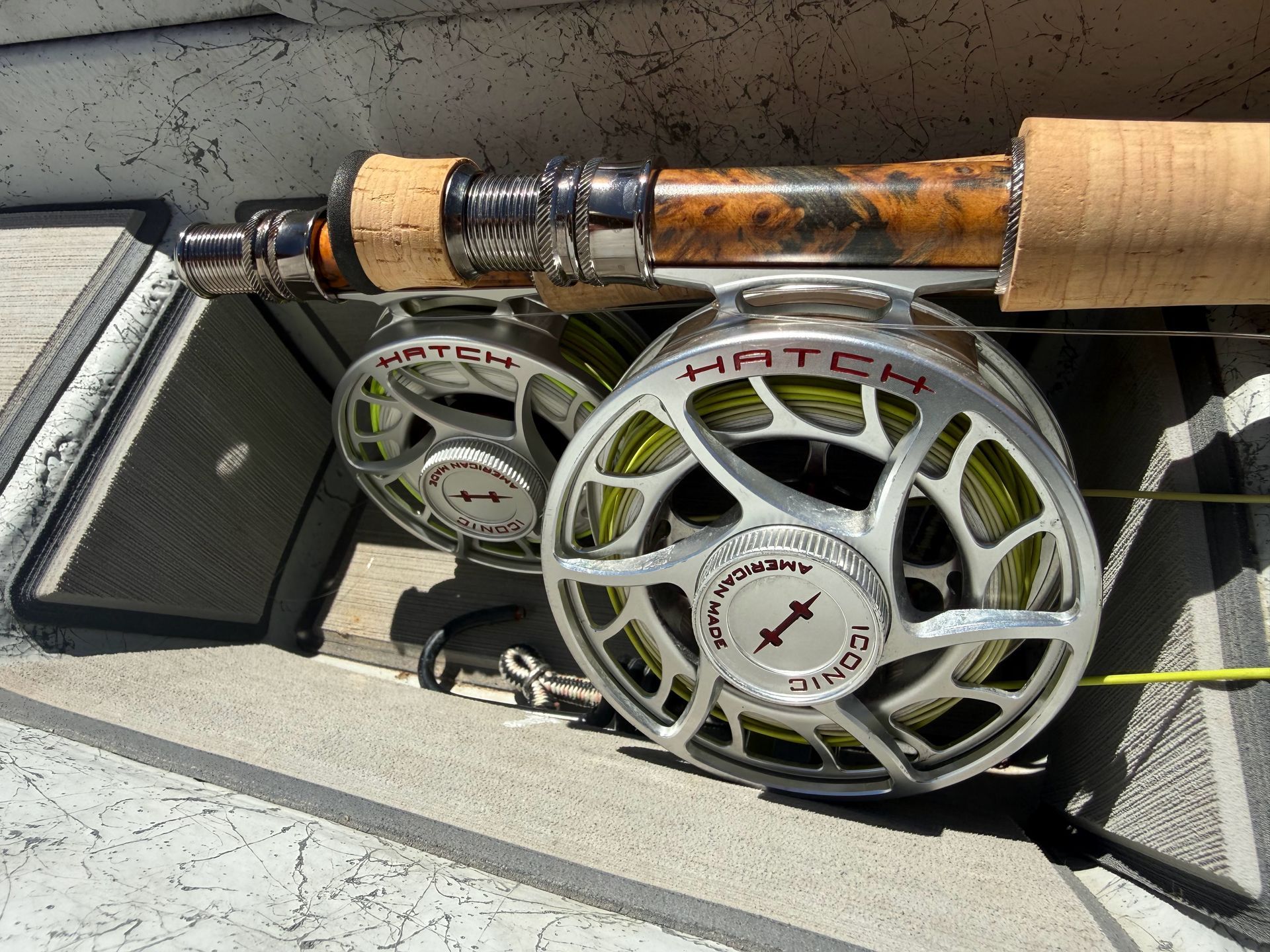
Long, light leaders let the fly drift naturally and hide the connection between fly and line. A longer leader gives your fly slack to float freely before drag sets in, while finer tippet keeps the fish from noticing the tie. Both help you fool cautious surface feeders.
- Calm, clear water: 12 to 18 foot leader with 5X to 6X tippet.
- Windy conditions: 9 to 12 foot leader with 4X to 5X tippet.
- Small flies, fussy trout: 12 to 15 foot leader with 6X to 7X tippet.
Use the longest leader you can still turn over cleanly, since calm water demands the most delicate presentation. Shorten up when the wind picks up, because a compact leader keeps your fly on target. For tiny flies and the fussiest trout, finer tippet turns refusals into takes.
Timing and Reading Conditions
Timing is a quiet advantage that many anglers overlook. Peak hatches, spinner falls, and low light periods bring the heaviest feeding of the day, and the largest trout often rise only during these windows. Being on the water at the right hour matters as much as any fly you choose.
Track weather, water levels, and hatch windows so you can plan around them rather than react. Cool, overcast days often extend hatches, while bright afternoons can push feeding into evening. Watching these patterns over a season teaches you when trout feed hardest and where the best fish will be.
Ready to Land Jackson Hole's Selective Trout?
Reading rise forms, matching the hatch, and presenting a clean drift all take practice, and no single tip works every time. Selective trout demand that these skills come together, from a quiet approach to a well built leader. Each outing sharpens your instincts and teaches you something new.
Fishing alongside a local guide shortens the learning curve on technical water, where small details decide the day. If you are planning a Jackson Hole trip, explore our guided fly fishing trips or get in touch to match your dates with the season's best hatches.
Jason Moore
Owner & Head Guide
A native of Upstate New York and a two-time JH One Fly Champion Guide, Jason's ownership of Jackson Hole Anglers marks a new chapter for the business. An expert boatman with a lifelong dedication to fishing, hunting, and skiing, he brings unmatched enthusiasm and deep institutional knowledge to every trip. As a proud husband and father, Jason understands the value of making lasting memories. Friendly and focused, he is committed to delivering first-class personal attention, ensuring every day on the river is productive, memorable, and reflects the elite standards of the region's premier guiding service.
More From the Water