When you book a guided day in Jackson Hole, one early question comes up fast: walk and wade or float? The good news is there is no wrong answer, only the right fit. Both trips catch plenty of fish, and both put you on beautiful western water with an expert guide.
The best choice comes down to your experience level, fitness, the kind of day you want, and the river conditions on your dates. This guide breaks down how each trip works, then compares them across skill, fitness, water covered, fish size, cost, and season so you can decide with confidence.
What Is Walk and Wade Fishing
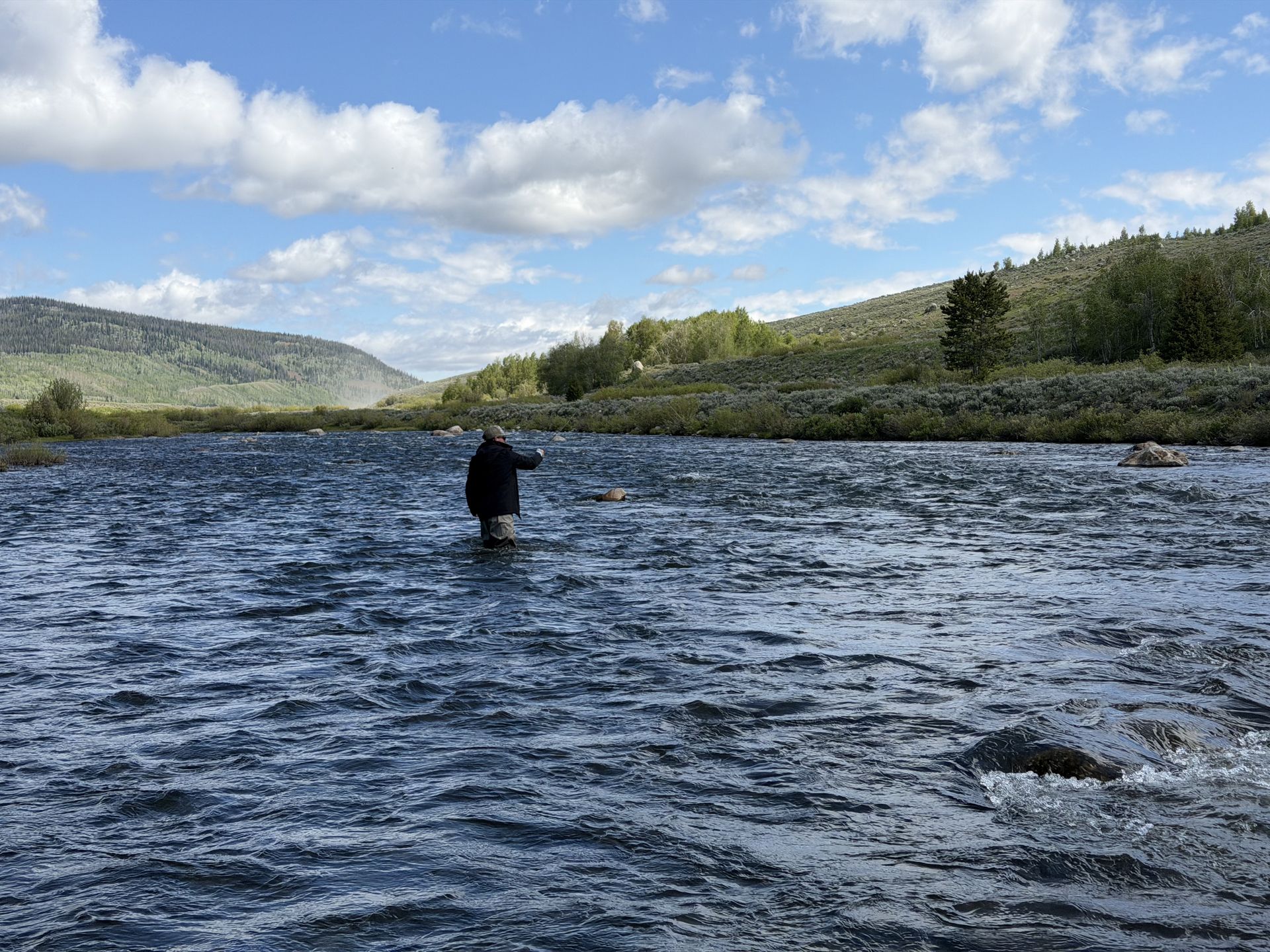
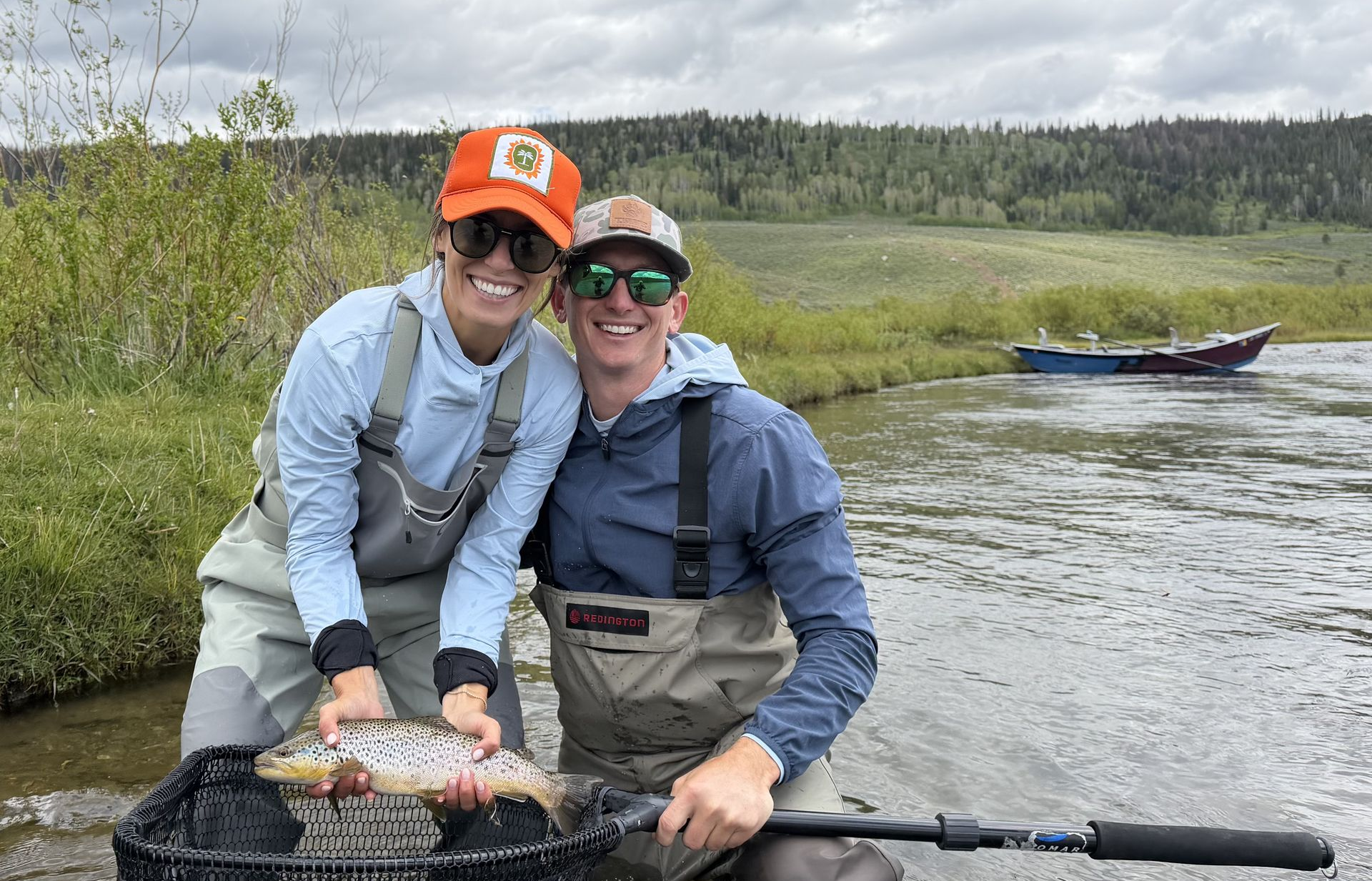
Walk and wade fishing means fishing on foot. You step into the current beside your guide, work each run carefully, and read the water one piece at a time. The pace is slower and more deliberate, which gives you room to focus on technique and truly learn the river.
Standing close to your guide means constant, hands on instruction and plenty of sight fishing to trout you can actually see. Wade access also opens intimate smaller water that boats never reach, and our hiking and fishing trips pair that on-foot access with a scenic walk into quiet runs.
What Is Float Fishing
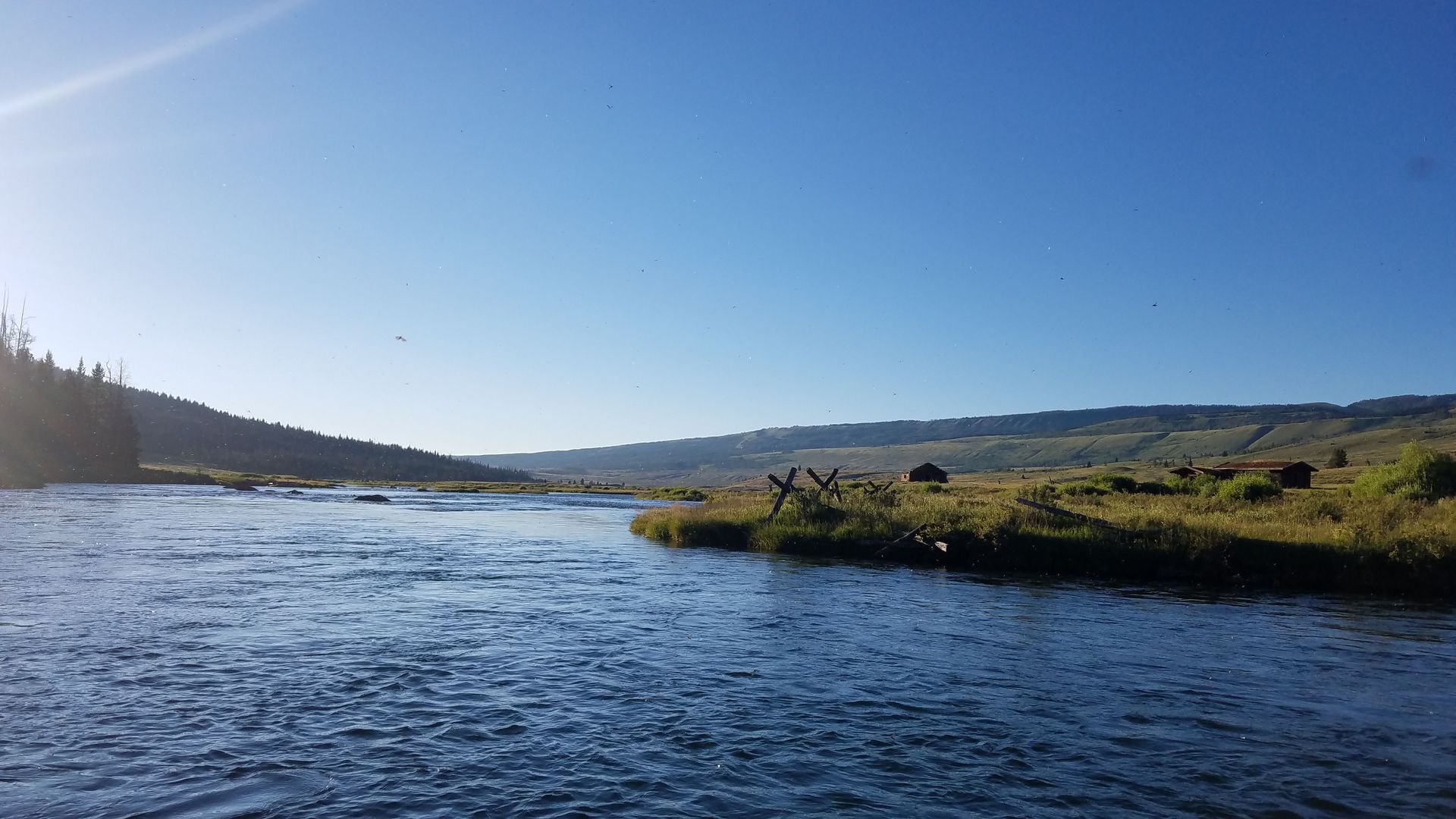
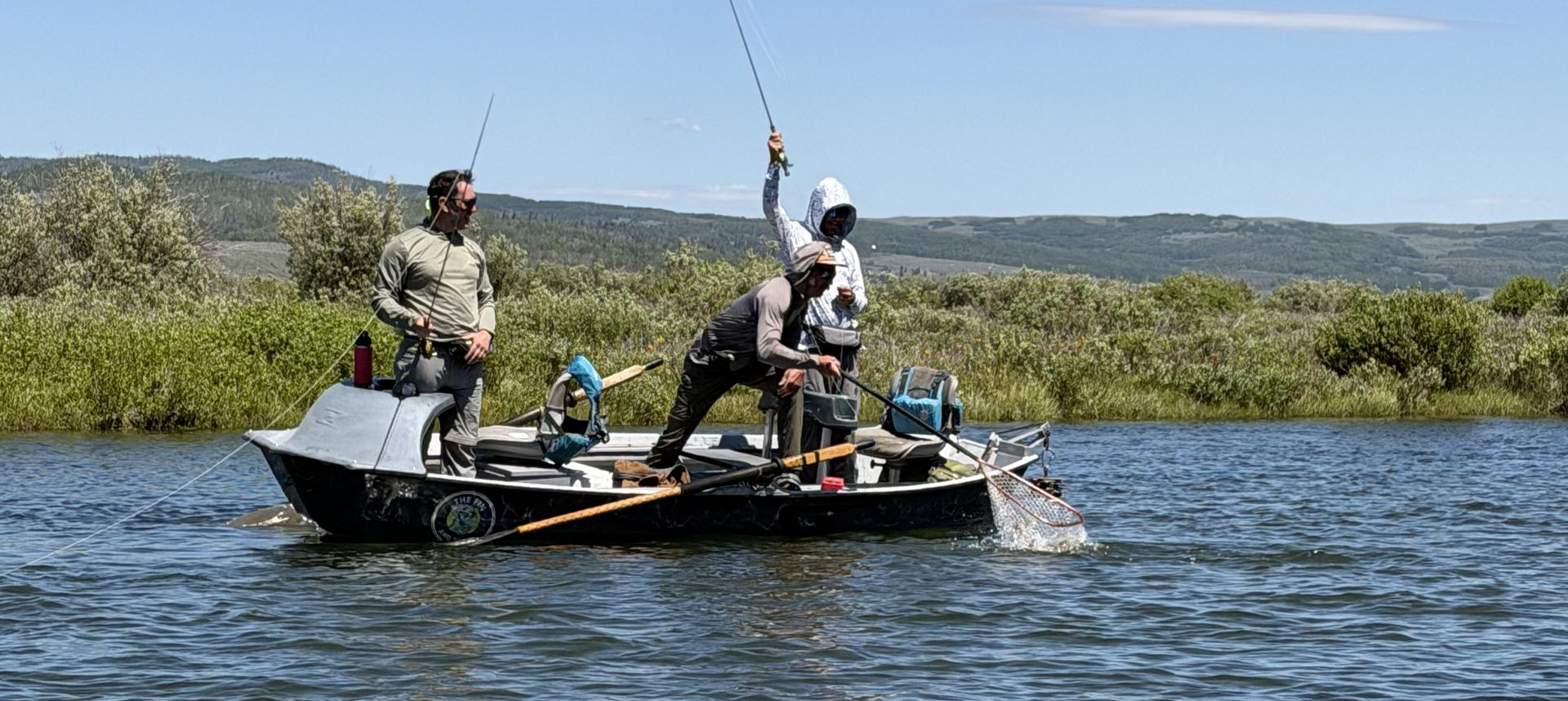
Float fishing happens from a drift boat or raft while your guide rows you through the prime casting lanes. Instead of moving your feet, you stay put and cast as the river slides past. This drift boat fly fishing style covers miles of water in a single relaxed day.
With little walking involved, floating stays comfortable and delivers more casts per hour across constantly fresh water. It also reaches remote stretches you simply cannot access on foot, like the backcountry runs on our Green River fishing trips that reward anglers willing to travel for solitude and size.
Comparing the Two Trip Types
Before digging into the details, a quick side by side helps orient the choice. In short, wade fishing favors technique, sight fishing, and larger individual fish, while float fishing favors coverage, comfort, higher catch counts, and social days shared with a friend or partner in the boat.
- Pace: Walk and wade is slow and focused; float covers many miles.
- Best for: Walk and wade suits learning and technique; float suits comfort and coverage.
- Instruction: Walk and wade offers constant, hands on coaching; on a float the guide rows, with less step by step help.
- Fitness needed: Walk and wade asks moderate fitness; float is light.
- Typical result: Walk and wade tends to fewer but larger fish; float tends to higher catch counts.
- Group feel: Walk and wade is intimate and one on one; float is social and shared in the boat.
Skill Level and Learning
Walk and wade suits anglers who want coaching, because the guide stands right beside you and can adjust your cast in real time. Every drift becomes a lesson, from mending line to reading a seam. For hands on learning, few formats beat wading a run shoulder to shoulder with a pro.
Float fishing is still forgiving for first timers, since the stable boat platform makes casting easier and keeps you comfortable all day. The guide focuses on rowing and positioning, so you get less minute by minute correction. Many beginners enjoy the low pressure rhythm of simply casting and drifting.
Fitness and Physical Demand
Be honest with yourself about the physical side. Wading means standing in moving water and walking uneven, rocky ground, so moderate fitness and steady balance help you fish safely and comfortably. A wading staff and felt soles make it easier, but the current always demands respect and attention.
Float fishing asks for very little walking and stays easy on knees, hips, and balance, making it the gentler option for many anglers. If you are weighing comfort or mobility, it is often the safer pick. Review our what to bring guide so you arrive dressed for either day.
Water Covered and Fish Size
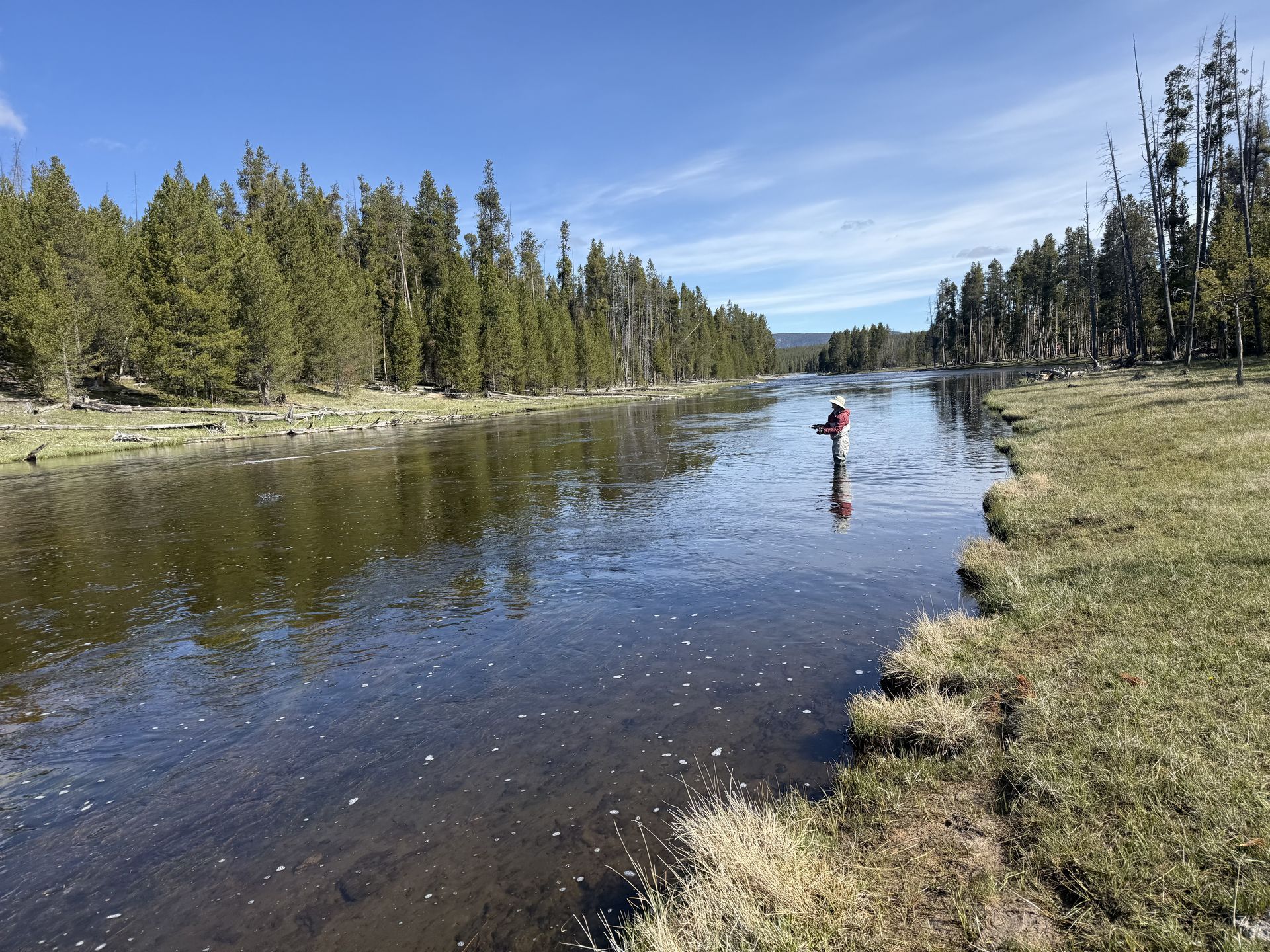
The core tradeoff is volume versus quality. Float trips cover many miles and show your fly to far more fish, which often produces higher catch counts and steady action through the day. If your goal is bending the rod frequently, floating usually delivers the numbers you are after.
Wade trips fish fewer runs, but they fish them thoroughly. Working a single stretch of holding water with careful, targeted presentations often tempts the larger individual fish that ignore a quick passing fly. For anglers chasing one memorable trout, that patient wade approach can pay off well.
Cost, Groups, and Season
Guided pricing is often similar for both trip types, so cost rarely forces the decision. Because most trips are priced per boat, two anglers sharing usually gets the best value per person. Splitting a day with a friend keeps the price friendly and the day more fun.
Float trips naturally suit groups and couples who want to share the boat and the experience. Season matters too, since river levels and seasonal flows can make one option more practical at certain times. High spring runoff may favor floating, while late summer opens up prime wading water.
Can You Do Both?
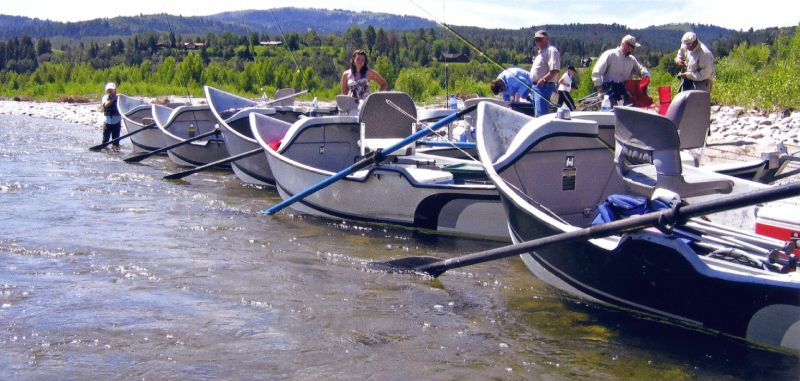
If you cannot decide, you do not have to. Mixing trips is popular and smart, especially on a multi day visit. A common approach is to alternate a wade day for focused learning with a float day for covering water, so you sample both styles without missing out.
Doing both also builds a fuller picture of the river. Skills you sharpen wading translate directly to the boat, and the miles you cover floating reveal new water to explore on foot later. Many returning guests plan their trips this way and get the best of both worlds.
Ready to Book Your Guided Trip?
Whichever way you lean, both trips deliver a great day on the water and a real shot at wild trout. The right choice simply matches your goals, group, and fitness to the water in front of you. There is no wrong pick, only the day that fits you best.
Still unsure which one suits you? Our guide team is happy to talk it through and match the right option to your experience and your dates. Get in touch with your questions, and we will help you book the trip that becomes your best day in Jackson Hole.
Jason Moore
Owner & Head Guide
A native of Upstate New York and a two-time JH One Fly Champion Guide, Jason's ownership of Jackson Hole Anglers marks a new chapter for the business. An expert boatman with a lifelong dedication to fishing, hunting, and skiing, he brings unmatched enthusiasm and deep institutional knowledge to every trip. As a proud husband and father, Jason understands the value of making lasting memories. Friendly and focused, he is committed to delivering first-class personal attention, ensuring every day on the river is productive, memorable, and reflects the elite standards of the region's premier guiding service.
More From the Water