
Is Catch and Release Fly Fishing Ethical? A Closer Look

Jackson Hole Anglers • September 4, 2026

It is a fair question, and one worth asking honestly. Catching a wild fish for the pleasure of it, then letting it go, sits uneasily with some people, and thoughtful anglers turn it over in their own minds too. Waving the question away does the sport no favors.

So this is a closer look rather than a defense. We will weigh what is actually known about fish stress, be honest about the downsides, and lay out the case for careful release on the kind of wild rivers we fish around Jackson.

Key Takeaways

  • Whether catch and release is ethical is a fair question that thoughtful anglers ask themselves.
  • Fish clearly experience stress when caught, and the science on pain is debated and still developing.
  • The honest downside is real: some released fish die, especially with rough handling or warm water.
  • On wild, self-sustaining rivers, careful release lets many anglers share a fishery that keeping every fish would deplete.
  • Survival is high when fish are handled well, kept wet, and released promptly.
  • Release is hardest to justify in warm water, so the ethical angler stops when conditions turn.
  • In practice it comes down to barbless hooks, quick handling, and knowing when to rest the water.

Taking the Question Seriously

Plenty of anglers have paused, fish in hand, and wondered whether what they are doing is right. That instinct is a good one. The honest answer is not that catch and release is beyond criticism, but that, done with care on the right water, it holds up better than most alternatives. Getting there means looking at the hard parts squarely.

It also helps to be clear about what the question really asks. Nobody is arguing that a fish enjoys being caught. The real question is whether careful release, on rivers like these, does more good than harm for the fish population and the waters we all share. That is a question with a practical answer, and the rest of this article works through it.

What We Know About Stress and Pain

There is no serious doubt that a hooked and landed fish is stressed. Its body floods with the fish equivalent of adrenaline, and it needs time to recover once released. Whether fish feel pain the way mammals do is genuinely debated among scientists, and the research is still developing, so anyone who tells you the question is settled either way is overstating the case.

The reasonable position is caution. We should assume a caught fish experiences real stress and possibly more, and treat it accordingly, rather than reaching for whichever study makes us feel better about the day.

The Honest Downsides

The uncomfortable truth is that catch and release is not catch and no harm. A caught fish is stressed, handling costs it energy, and a portion of released fish do not survive, particularly when they are played to exhaustion, kept out of the water too long, or released into warm conditions. Pretending otherwise is not honest.

That mortality is usually low when fish are handled well, but it is never zero. An angler who takes the ethics seriously has to hold that fact rather than tuck it away, and let it shape how carefully they fish.

The Case for Careful Release

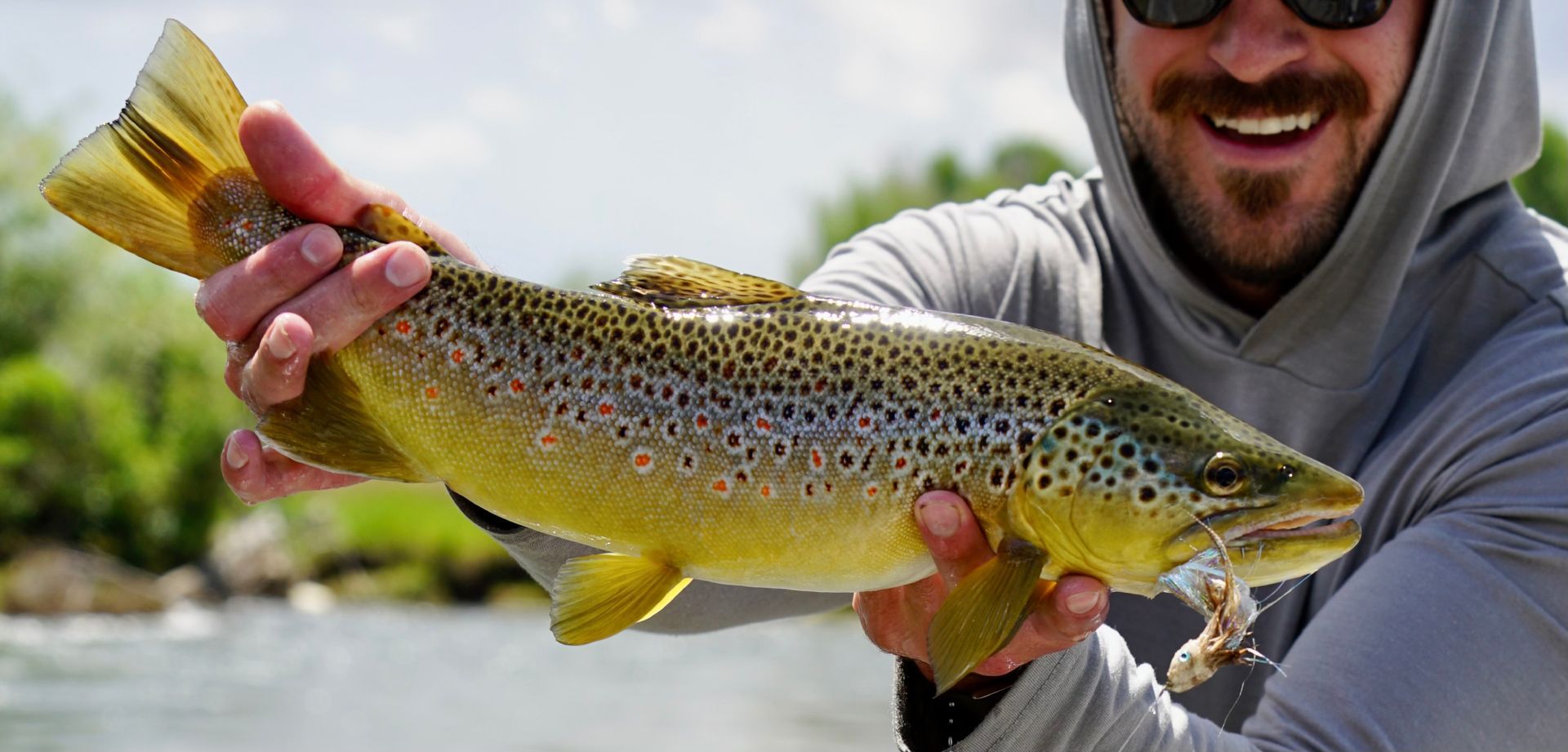
Here is where release earns its keep. On wild, self-sustaining rivers, the fish are not replaced by a hatchery. If every angler kept every trout, a popular river would empty fast. Careful release lets many people share the same fishery over a season while the population keeps reproducing, and it is central to the guiding philosophy and experience behind how these waters are fished.

Set against the alternative, the ethics look different. The choice is rarely between fishing and not fishing at all. It is between keeping wild fish, which a shared river cannot sustain, and returning them carefully so the fishery survives. Seen that way, thoughtful release is the more defensible path.

There is a conservation angle too. Anglers who spend time on a river tend to become its strongest advocates, supporting cleaner water, healthier habitat, and sensible regulations. Catch and release keeps those anglers connected to wild fish, and that connection often turns into real support for protecting the river itself.

When Release Is Least Defensible

Release is hardest to justify when the odds are stacked against the fish. Warm water is the clearest case, since survival drops as water warms and oxygen falls, and meaningful stress can begin lower than the often-quoted 68 degrees, from around 61 degrees for cutthroat, rainbow, and brook trout. Checking the current river flows and conditions before you fish is part of fishing ethically.

The honest angler knows when to stop. If the water is too warm, if a fish is bleeding badly, or if you cannot handle it quickly, the ethical move is to change water, change tactics, or simply call it a day rather than press on.

Spawning season deserves the same care. Trout on their spawning beds are vulnerable, and wading through gravel where fish have laid eggs can destroy the next generation before it hatches. Giving spawning fish and their redds a wide berth is one of the simplest ways to put the ethics into practice.

Ethics in Practice on the River

In daily practice, the ethics come down to small, repeatable habits. None of them are difficult, and together they make the biggest difference to whether a released fish swims away strong:

  • Pinch your barbs or fish barbless hooks, so the fly comes out quickly and cleanly.
  • Use tippet strong enough to land a fish without playing it to exhaustion.
  • Wet your hands and keep the fish in the water as much as you can.
  • Release promptly rather than holding a fish for a long photo session.
  • Rest a run or a river when the water warms or conditions turn against the fish.

Head guide Jason Moore treats the judgment of when to rest the water as part of the job, not an afterthought. Deciding when the water is fishing well and when it is better left alone is exactly the kind of call an experienced guide makes for you, and it is where the ethics stop being theory and become the day itself.

Ready to Fish the Snake with Jackson Hole Anglers?

If the honest version of this argument sits well with you, you are the kind of angler these rivers need. Catch and release is not a free pass, but done with care it lets a wild fishery stay wild and stay open to everyone who wants to fish it.

If you would like to fish these waters the careful way, you can look over our guided fly fishing trips available and find the right day for your group. For any questions about how we handle fish and conditions, feel free to ask our guides a question before you decide.

Share this article

Recent Posts

Person in black and green jacket by a river, holding a camera toward a rocky forested canyon.
By Jackson Hole Anglers • September 28, 2026
Fall in Jackson Hole means cooler rivers, hungry trout, the elk rut, and golden aspens. Here is what to expect on the water and around the valley.
Three people fishing from a small boat on a river with green hills in the background
By Jackson Hole Anglers • September 18, 2026
Friendly fly fishing etiquette for Western rivers: how much room to give, who has the run, how boats and waders share, and the habits guides use every day.
Wide river under a clear blue sky, with grassy banks and distant hills in sunlight.
By Jackson Hole Anglers • August 28, 2026
A practical breakdown of riffles, runs, pools, seams, and structure, showing where trout hold in a river and how to spot water worth fishing.
Close-up of a speckled fish tail on icy snow, with orange-edged fins and white ice crystals.
By Jackson Hole Anglers • August 14, 2026
A visual guide to the cutthroat, brown, rainbow, brook, and lake trout swimming in Jackson Hole rivers, with the markings that separate each one.
An angler cradling a large trophy trout on a western river
By Jackson Hole Anglers • August 12, 2026
A trophy trout trip trades numbers for size. Here is what a guided day covers, from techniques and gear to seasons, realistic catch rates, and fish handling.
Person releasing a silver trout into shallow water from a boat
By Jackson Hole Anglers • August 7, 2026
How to land, hold, unhook, photograph, and release a trout with the least stress, including air exposure limits and the temperatures that raise risk.
A fly angler wading a clear river to reach rising trout in Jackson Hole
By Jackson Hole Anglers • August 1, 2026
Selective trout refuse sloppy casts. A guide to reading rise forms, matching the hatch, drag-free drifts, stealthy approaches, and the right leader setup.
A guide rowing a drift boat with anglers casting on a western river
By Jackson Hole Anglers • July 24, 2026
Walk and wade or float fishing? A breakdown of how each trip works, plus the skill, fitness, cost, water, and group factors that point to the right choice.
A fly angler holding a large trout on a western river
By Jackson Hole Anglers • July 15, 2026
Streamers pull the biggest trout from western rivers. A guide to reading water, rigging sink tips, choosing patterns, working retrieves, and setting the hook.
A moose standing in a shallow river among willows in Jackson Hole
By Jackson Hole Anglers • June 26, 2026
A look at the moose, eagles, otters, and other animals anglers commonly see along Jackson Hole rivers, plus when and where sightings are most likely.

Show More