A trophy trout trip is a different kind of fishing day, patient, focused, and deeply rewarding. Hunting the biggest fish in the river means fewer bites, but the memories run far larger than the numbers. Knowing what to expect helps you settle in and enjoy every hour on the water.
This guide sets clear expectations for a guided trophy trout fly fishing trip. You will learn what counts as a trophy, how a typical day flows, the techniques and gear involved, the best seasons, realistic catch rates, and how to handle these rare fish. Start with what a trophy really means.
What Counts as a Trophy Trout
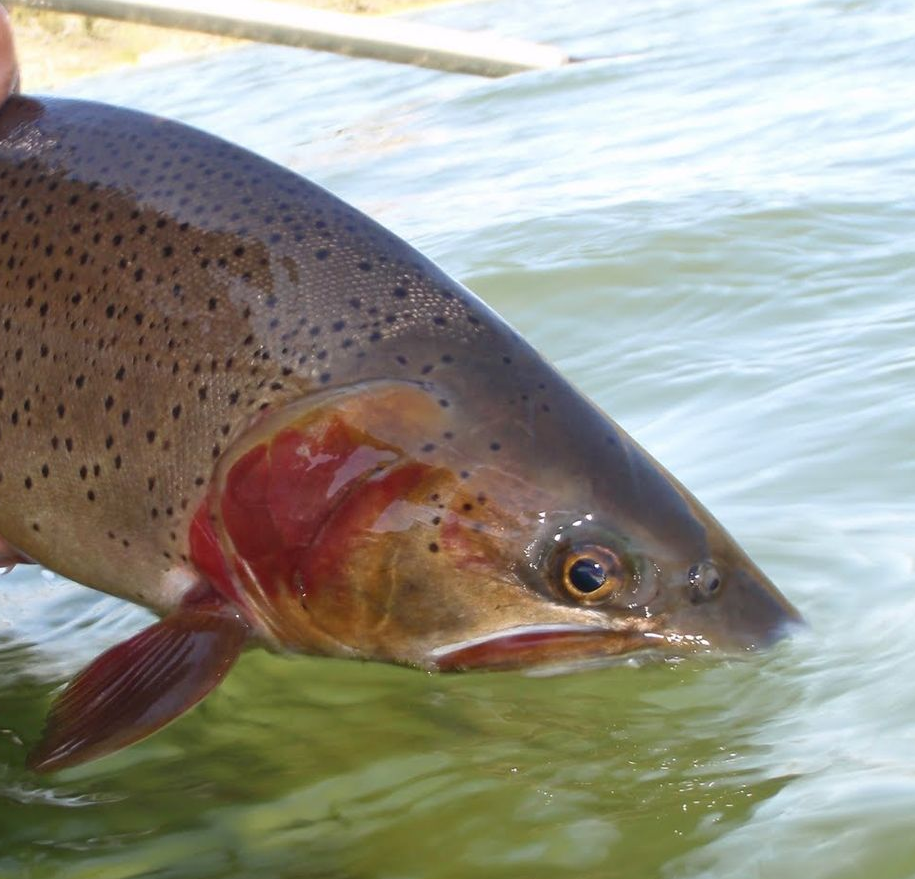
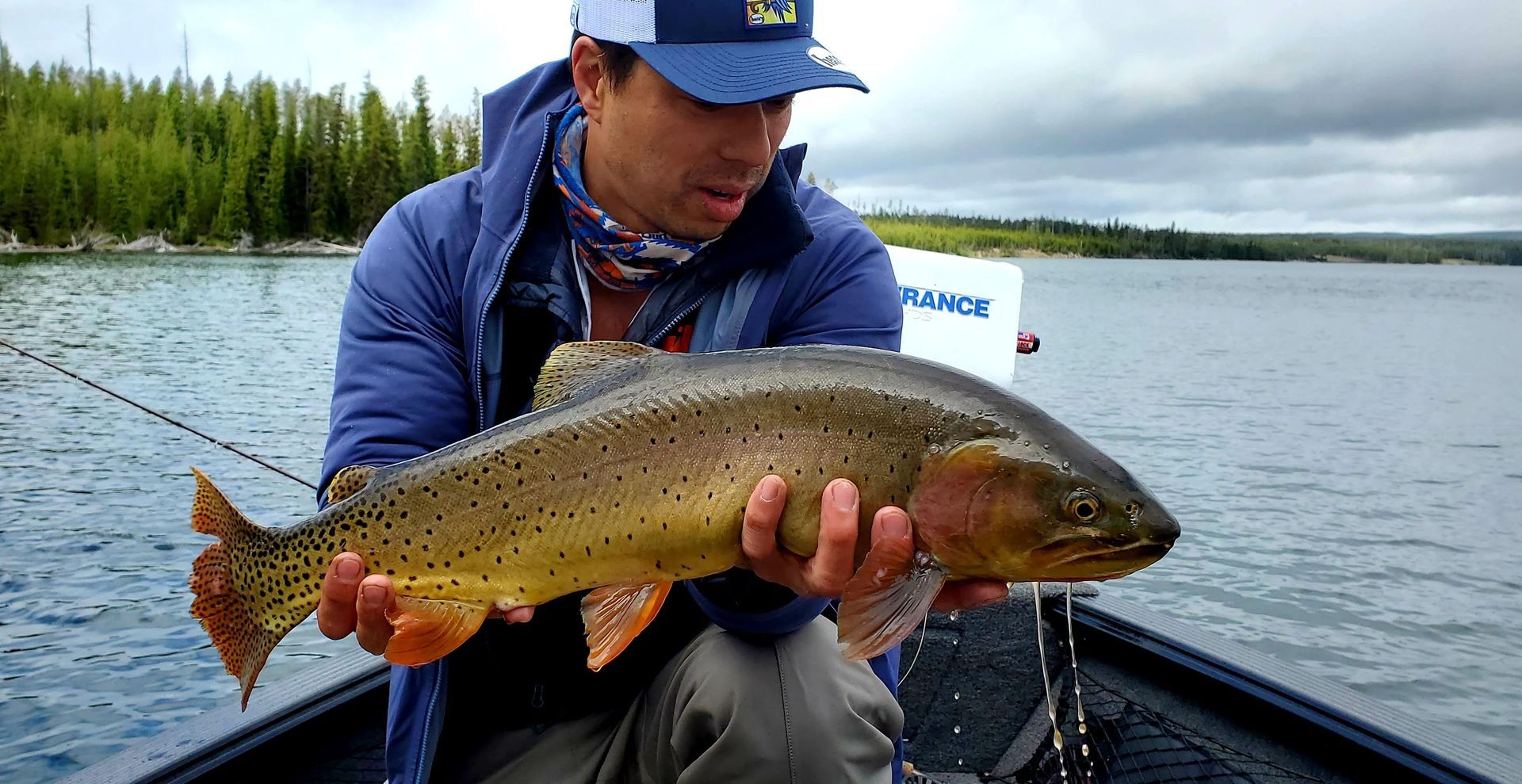
A trophy is usually a wild, wary trout of around twenty inches or more, with the rarest fish stretching past thirty. These are not stocked fish. They have survived years of predators and pressure, growing large precisely because they are cautious, selective, and hard to fool on any given day.
Big trout hold in shadows, deep lies, and protected water for good reason. Those spots offer safety from predators, cool and oxygen-rich flow, and easy access to drifting food. Understanding why these fish choose such lies is the first step toward finding them, and it is what makes them worth chasing.
A Typical Day on the Water
Most trophy trips begin with an early pickup, since the biggest fish often feed hardest in the quiet light of dawn. Your guide meets you, loads the gear, and drives to the day's chosen water. A full day fishing trip typically runs about eight focused hours on the river.
From there, the day settles into a rhythm of casting, drifting, and moving between promising lies. A drift boat may cover many river miles, letting you fish fresh water all day before a late afternoon return. Expect stretches of patient searching punctuated by short, intense chances at a giant.
Techniques Guides Use for Big Trout
Your guide will choose methods based on the water and the fish. Stripping streamers tempts aggressive, predatory trout, deep nymph rigs reach fish holding near the bottom, and sight fishing lets you cast to a specific trout you can actually see. Each approach targets big fish in a different way.
Whatever the method, a clean and natural drift matters more than constant casting. Big trout scrutinize everything, so a single well placed presentation often beats a dozen rushed ones. Patient stalking, careful positioning, and one accurate cast to the right lie will out fish frantic effort every time.
Gear and What to Bring
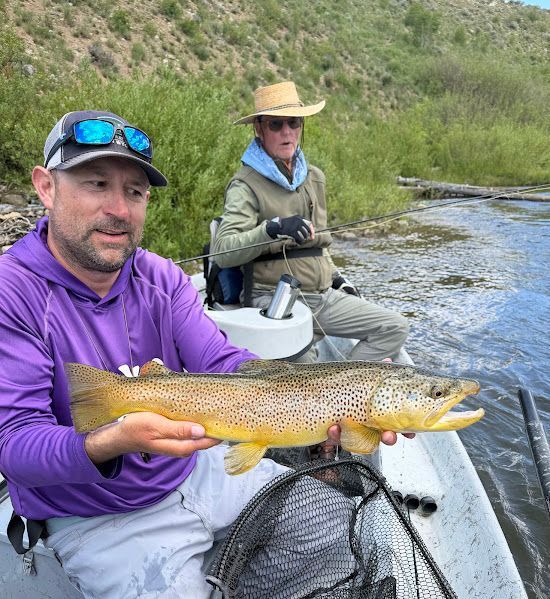
Guided trophy trips usually provide the technical gear, so you can travel light. Rods, reels, waders, boots, flies, and tippet all come included and matched to the water you will fish. That means no need to buy or haul specialized equipment for a single trip you may take once.
You still need a few personal items to stay comfortable and legal. Pack polarized sunglasses, sunscreen, warm layers, and water, and carry a valid fishing license where required. Our what to bring guide lists everything you should pack so nothing small derails your big day on the water.
Best Rivers, Seasons, and Timing
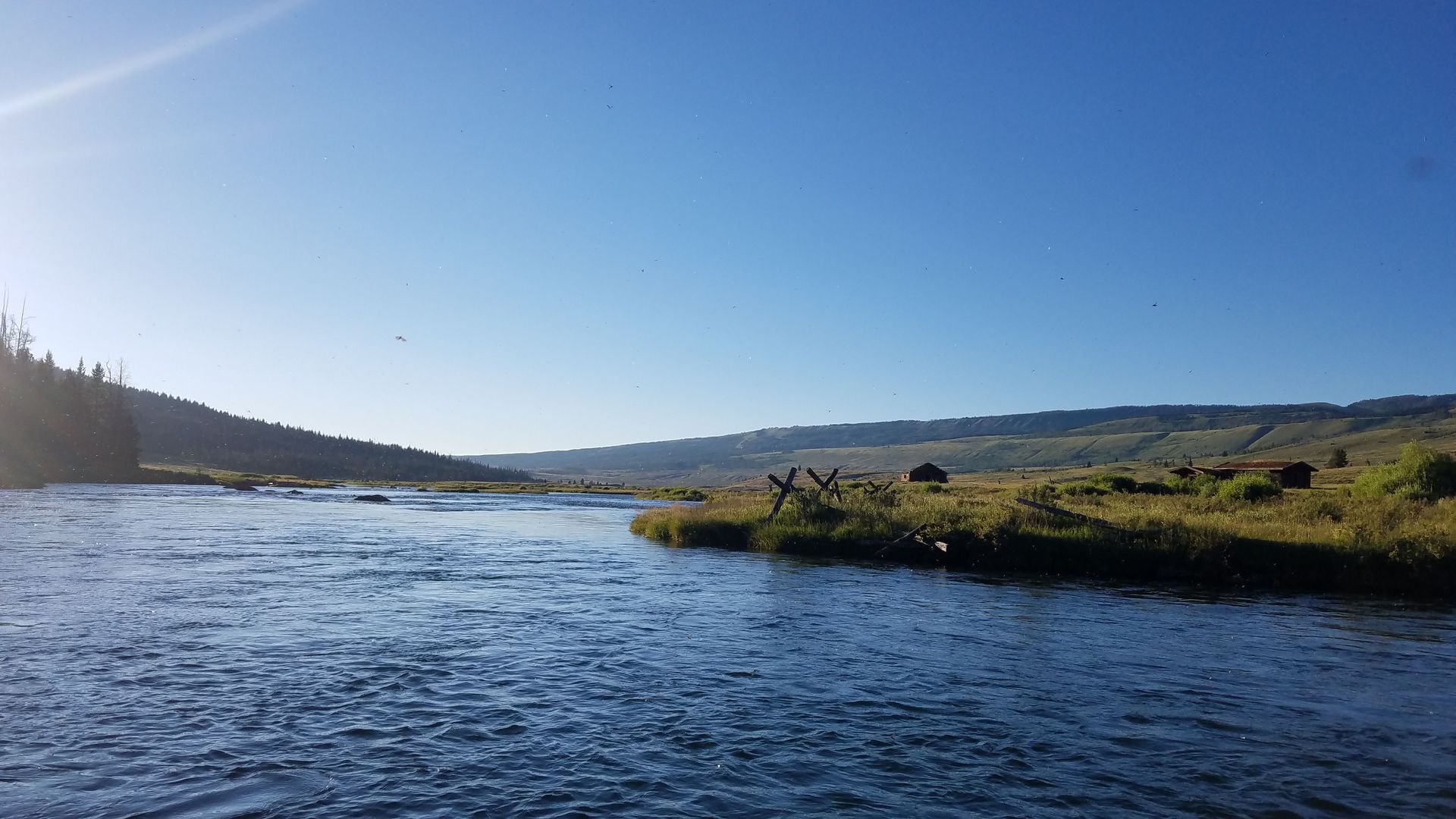
Where and when you fish shapes your odds at a trophy. Tailwaters below dams hold stable temperatures and steady food, so they fish well across much of the year. Freestone rivers swing more with the seasons, rewarding anglers who time their trip to the conditions big trout prefer.
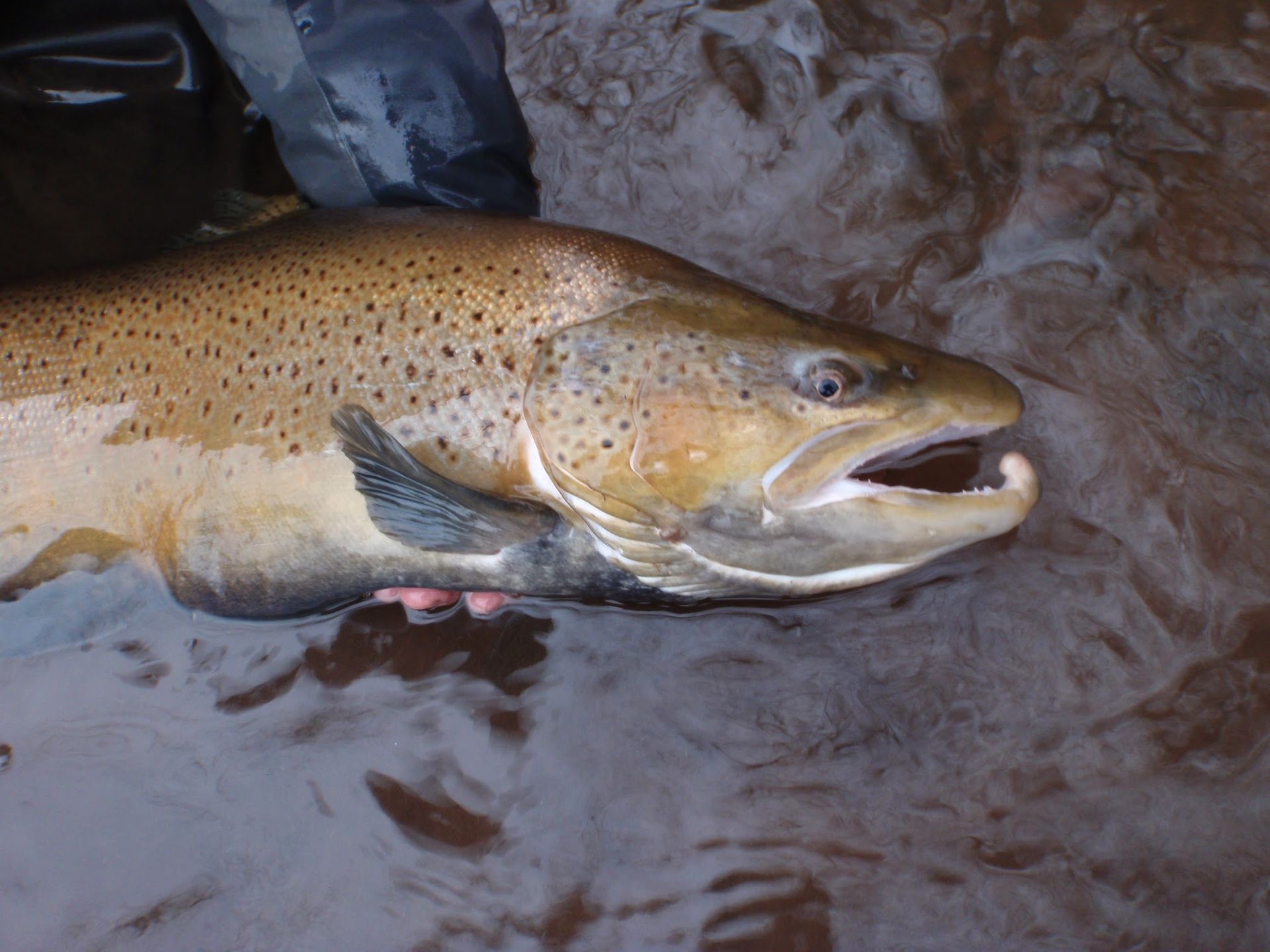
Fall brings aggressive spawning browns that attack streamers, while summer favors hoppers and other terrestrials drifting along the banks. Across every season, dawn, dusk, and shifting weather open the best trophy feeding windows. A cloudy front or fading light often flips a wary giant into an eager, catchable fish.
Catch Rates and Realistic Expectations
Set your expectations honestly before you step on the water. Trophy hunting trades numbers for size, so slow hours are normal and part of the pursuit. Some days produce one great fish, and some produce none, but each cast carries the real chance of the trout of your life.
Losing a few fish on light tippet is part of the game, since big trout fight hard and pull free. Landing even a couple of true trophies marks a great day by any measure. Measure success by the experience and the pursuit, not by a number on the scorecard.
Catch and Release and Fish Handling
Most trophy waters are managed as catch and release, often with barbless hooks required. These rules protect the rare, older fish that take many years to reach trophy size. Following them keeps the fishery healthy and gives the next angler the same shot at a fish of a lifetime.
Careful handling makes the difference between a fish that swims off strong and one that does not. Keep the trout wet, minimize air time, support it gently, and revive it fully in the current before release. Your guide will coach every step so these remarkable fish survive to be caught again.
Ready to Land Your Trophy Trout?
A trophy trip asks for patience, but it rewards you with a pursuit you will remember long after the day ends. With realistic expectations and an experienced guide reading the water, every hour becomes part of the hunt, whatever the final count turns out to be.
If you are ready to chase the fish of a lifetime, our trophy trout trips put you on prime water with guides who know where big fish hold. Get in touch with your dates and questions, and we will help you plan a day worth remembering.
Jason Moore
Owner & Head Guide
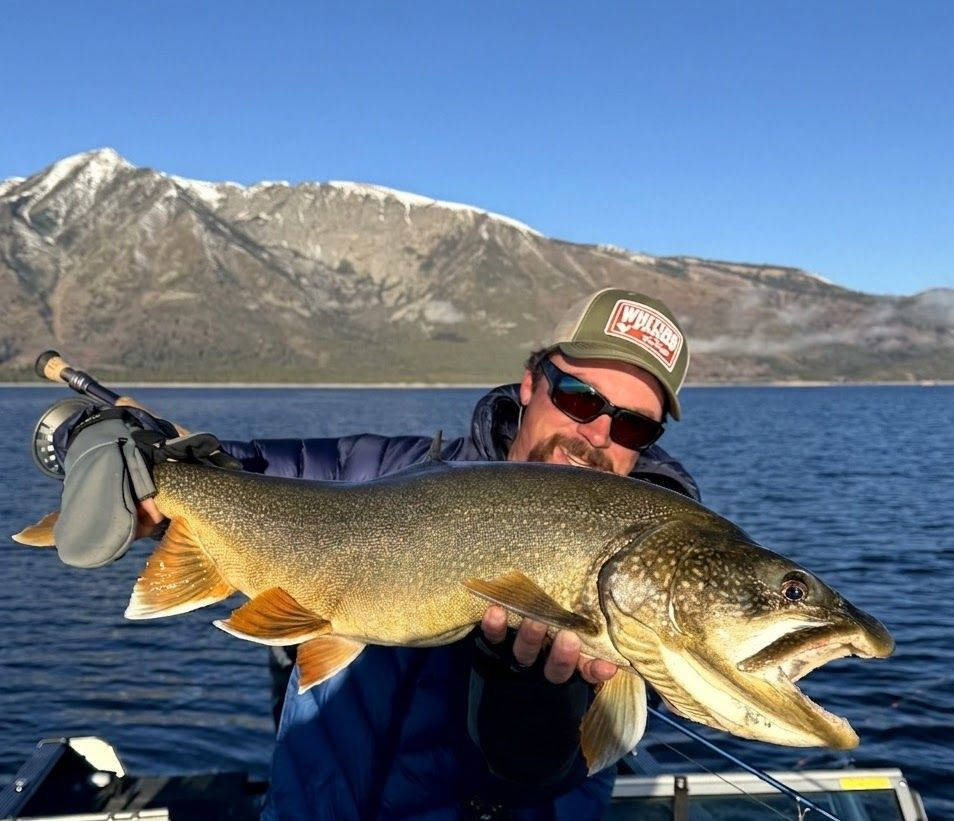
A native of Upstate New York and a two-time JH One Fly Champion Guide, Jason's ownership of Jackson Hole Anglers marks a new chapter for the business. An expert boatman with a lifelong dedication to fishing, hunting, and skiing, he brings unmatched enthusiasm and deep institutional knowledge to every trip. As a proud husband and father, Jason understands the value of making lasting memories. Friendly and focused, he is committed to delivering first-class personal attention, ensuring every day on the river is productive, memorable, and reflects the elite standards of the region's premier guiding service.
More From the Water