The Gray Drake Hatch, When and How to Fish It

Jackson Hole Anglers • June 1, 2026

The gray drake is one of the most overlooked hatches in western fly fishing, yet it can produce some of the season's most rewarding dry-fly action. Anglers who learn its timing and habits gain reliable surface fishing for trout of every size.

This guide breaks down what the gray drake is, when it hatches, where to find it, and how to fish it well. It also covers the patterns that consistently move large trout to the surface during this underrated mayfly event.

What Is the Gray Drake

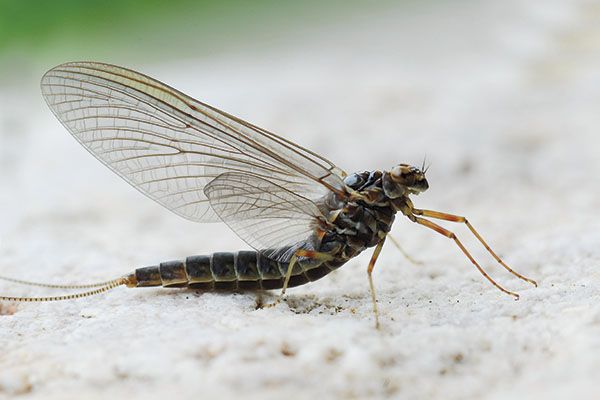
The gray drake belongs to the genus Siphlonurus, a large slate-gray swimming mayfly typically imitated on size 10 to 12 hooks. Its substantial size sets it apart from the smaller mayflies anglers see all summer, and that bulk is exactly what draws bigger trout upward.

Like all mayflies, the gray drake moves through three stages that matter to anglers. The nymph is an active swimmer, the dun is the freshly emerged winged adult, and the spinner is the mature stage that returns to the water to mate and die.

That progression shapes how trout feed on the insect. Gray drakes hatch either by crawling to shore or by emerging at the surface, so the dun stage can be hit or miss for anglers. The spinner stage, when spent adults fall to the surface in numbers, becomes the moment that brings serious fish up to feed.

When the Gray Drake Hatches

Gray drakes generally appear from June through August across western waters, though exact timing shifts with elevation and flow. Daytime dun activity tends to be sporadic and easy to miss, so anglers who plan around the afternoon emergence alone often leave disappointed and wondering what happened.

The evening spinner fall is the event that matters most. As light fades, mating swarms gather over the water and spent insects drift down in waves, triggering steady, confident rises. Timing your day to be on the water at dusk is the single biggest factor in success.

Local conditions ultimately decide the exact window, which is why checking current flows and recent hatch activity before your trip pays off. Our Jackson Hole fly fishing report tracks river conditions, water levels, and emerging hatches across the region throughout the season.

Where to Find Gray Drakes

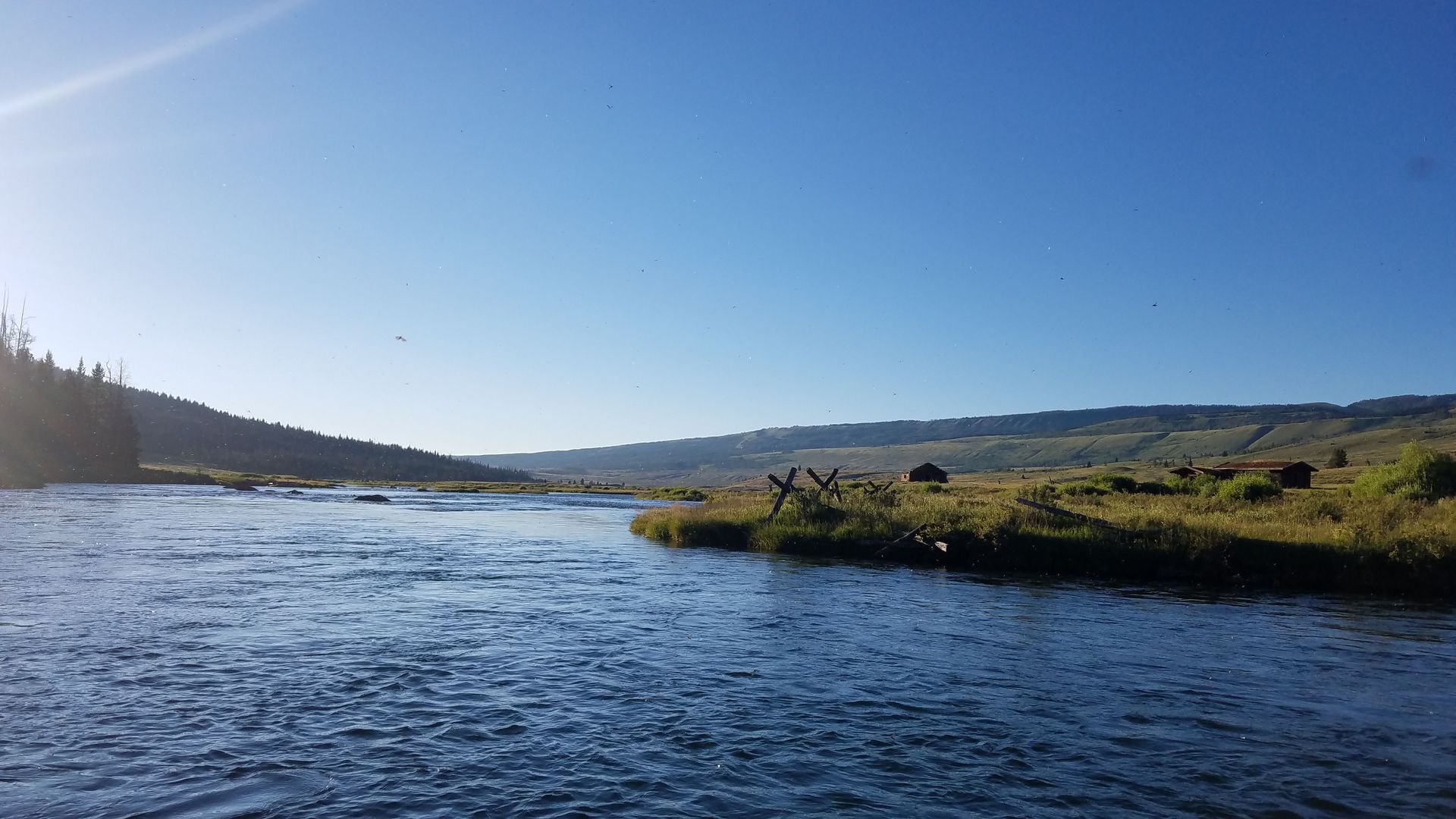
Gray drakes are swimming mayflies that favor slow, soft water rather than fast riffles. Look for them around quiet pools, back eddies, sloughs, and weedy margins where current slackens. These calm zones let the nymphs swim freely and give emerging and spent adults a place to gather.

The insects often migrate from the main river into adjacent backwaters and side channels to emerge, so the richest activity is rarely in the heaviest current. The Green River is a strong example, with slow ranchland stretches that hold excellent gray drake water.

Once you understand this preference, finding fish becomes far more predictable. Scan the soft seams along banks, the tailouts of long pools, and any glassy pocket out of the main flow. Those are the places where trout line up and wait for drifting drakes to arrive.

How to Fish the Hatch

Focus your effort on slow, glassy tailouts and the calm water where spent insects collect. Position yourself before the spinner fall begins so you are ready when rises start, rather than scrambling into place as the best feeding window opens and quickly fades in the failing light.

A drag-free drift is essential on this smooth water, since trout inspect flies closely in calm conditions. When a natural presentation is not drawing strikes, a subtle twitch of the rod tip can imitate a struggling adult and trigger a reaction from a fish that was only watching.

When no rises are showing, blind-casting a searching dry over likely holding water keeps you in the game until the fall begins. Putting all of this together at the right moment is easier with a guide, so consider booking a guided fly fishing trip timed to the hatch.

Best Gray Drake Fly Patterns

Carrying a few patterns for each stage of the hatch keeps you ready for whatever the trout are keying on. The right fly depends on whether fish are taking swimming nymphs, struggling emergers, or spent spinners, so a small, focused selection covers the full progression effectively.

  • Nymph stage: a large dark Hare's Ear or Pheasant Tail Nymph imitates the active swimming nymph before emergence.
  • Emerger stage: a gray drake cripple or emerger pattern targets the vulnerable transition at the surface.
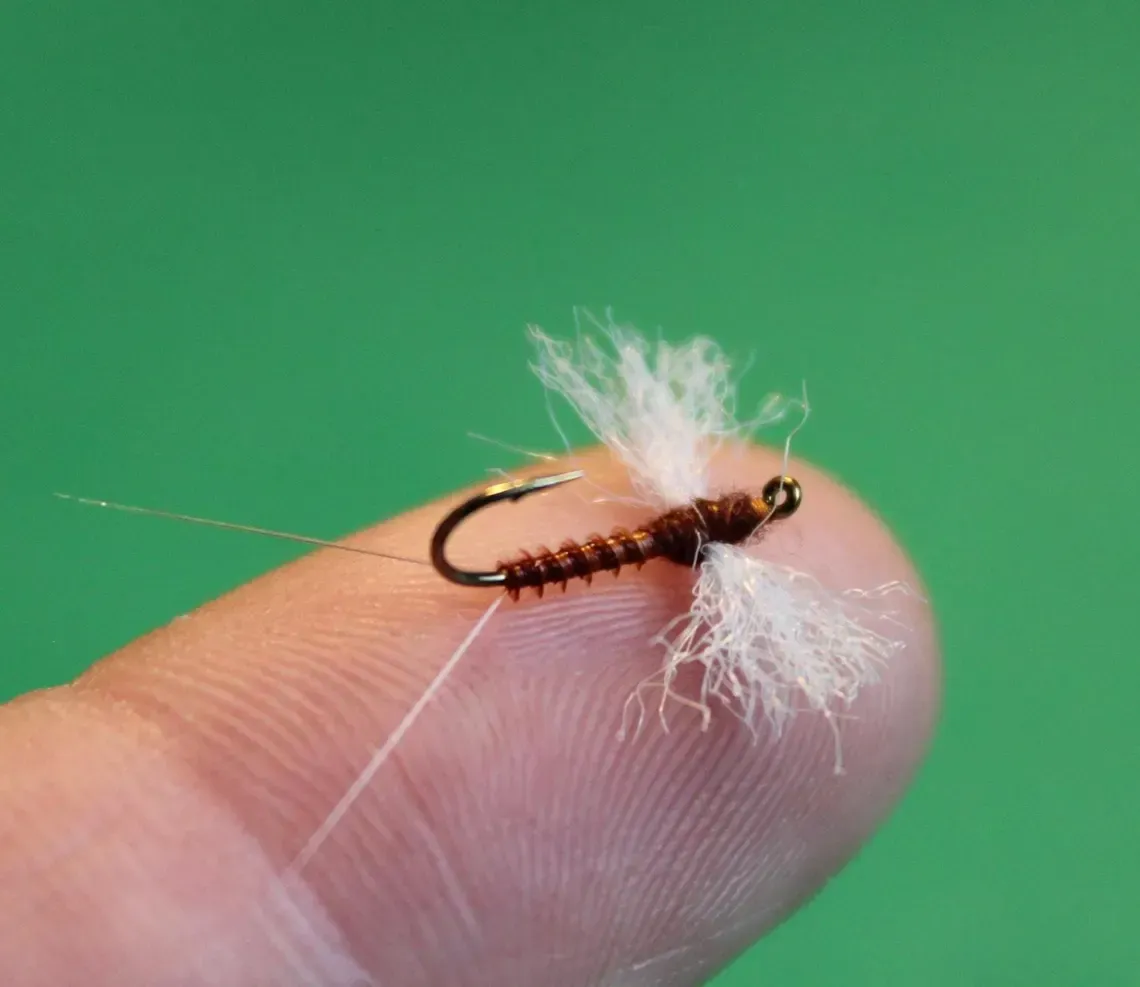
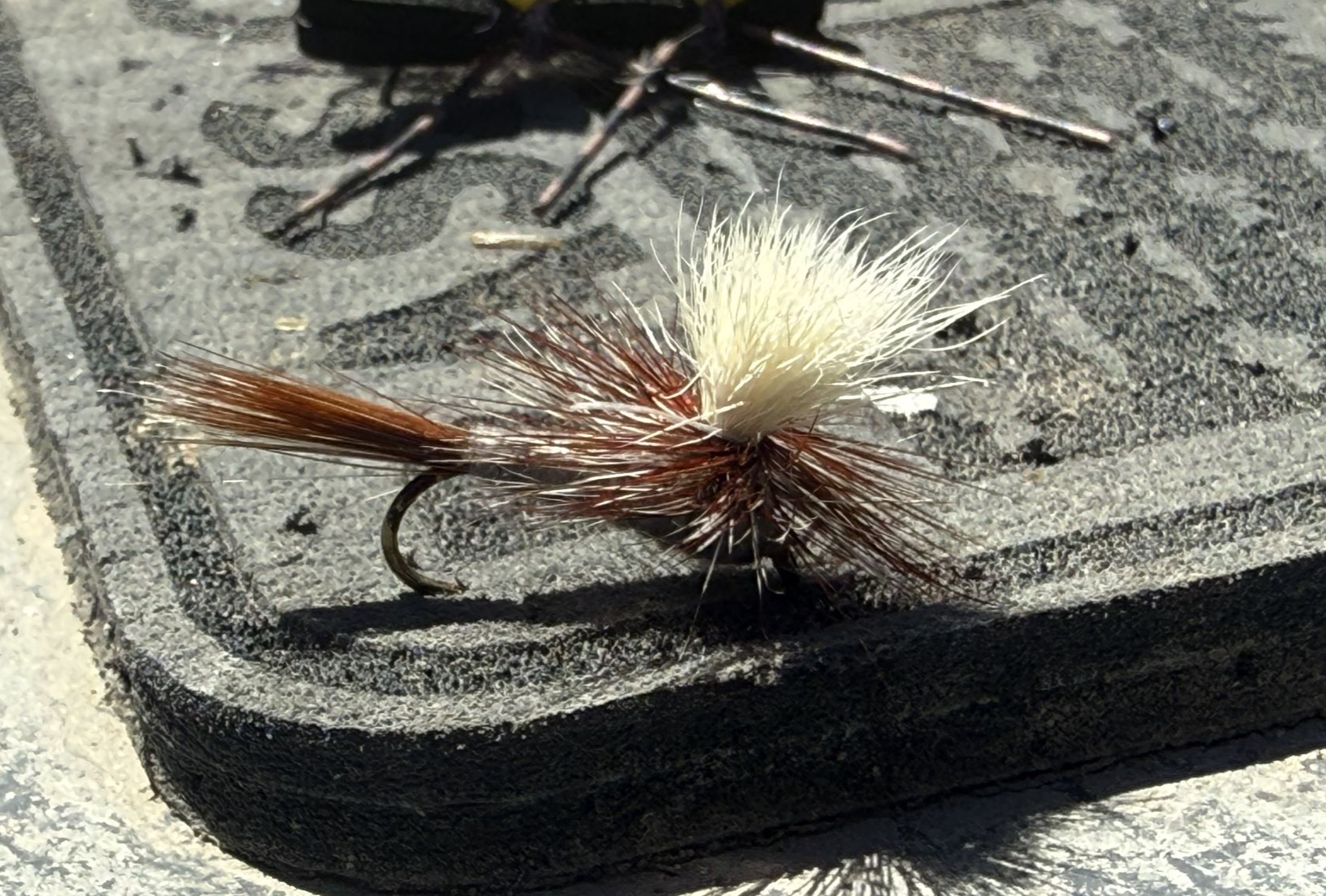
  • Adult and spinner stage: a Gray Wulff, a large Adams, or a poly-wing spinner covers duns and the all-important spinner fall.

Keep your selection simple and let the trout tell you which stage they want. Early in the hatch a clean dead drift with a basic Adams often outproduces fancier imitations, so prioritize good presentation over a crowded fly box every single time you are on the water.

Ready to Fish the Gray Drake Hatch?

The gray drake rewards anglers who respect its rhythms, slow-water patience, careful presentation, and good timing around the evening spinner fall. Get those elements right and this overlooked hatch turns into some of the most satisfying dry-fly fishing of the entire western summer season.

Fishing it with local guides who track conditions daily is the simplest way to be on the right water at the right moment. If you would like help planning a trip during the hatch, reach out here to get started.

Share this article

Recent Posts

A fly angler holding a large trout on a western river
By Jackson Hole Anglers June 5, 2026
Streamers pull the biggest trout from western rivers. A guide to reading water, rigging sink tips, choosing patterns, working retrieves, and setting the hook.
A moose standing in a shallow river among willows in Jackson Hole
By Jackson Hole Anglers June 3, 2026
A look at the moose, eagles, otters, and other animals anglers commonly see along Jackson Hole rivers, plus when and where sightings are most likely.
The Snake River winding through Jackson Hole with the Teton mountains in summer
By Jackson Hole Anglers June 2, 2026
A month-by-month look at summer fly fishing around Jackson Hole, covering peak rivers, hatches, packing tips, and what to expect from June through August.
A fly angler wading a clear river to reach rising trout in Jackson Hole
By Jackson Hole Anglers June 1, 2026
Selective trout refuse sloppy casts. A guide to reading rise forms, matching the hatch, drag-free drifts, stealthy approaches, and the right leader setup.
A parent and child fly fishing together on a clear Jackson Hole river
By Jackson Hole Anglers June 1, 2026
A practical guide for parents introducing kids to fly fishing in Jackson Hole, covering the right age, gear, trip length, and tips to keep children engaged.