Visiting Jackson Hole in Summer, A Fly Fishing Guide
Welcome to the easiest, most rewarding season to fly fish Jackson Hole. Summer brings clear water, long daylight, and rising trout across the valley. Whether you have never held a fly rod or you chase selective fish for sport, local guides match the day to you.
This guide walks through why summer fishes so well, what each month offers from June into August, the rivers worth your time, the hatches that drive surface action, and what to pack. By the end, you will know exactly how to plan your trip.
Why Summer Is Prime Season
Late June through August is the window most anglers wait for all year. Spring runoff has cleared, flows have settled, and warm, stable weather sets up consistent dry-fly action. It is the most popular and beginner-friendly stretch of the season for fishing the valley.
Stable conditions make a real difference for newer anglers. When water runs clear and trout feed steadily on the surface, casting feels more rewarding and strikes come more often. Long summer days also leave plenty of room to slow down, learn, and cover good water without rushing.
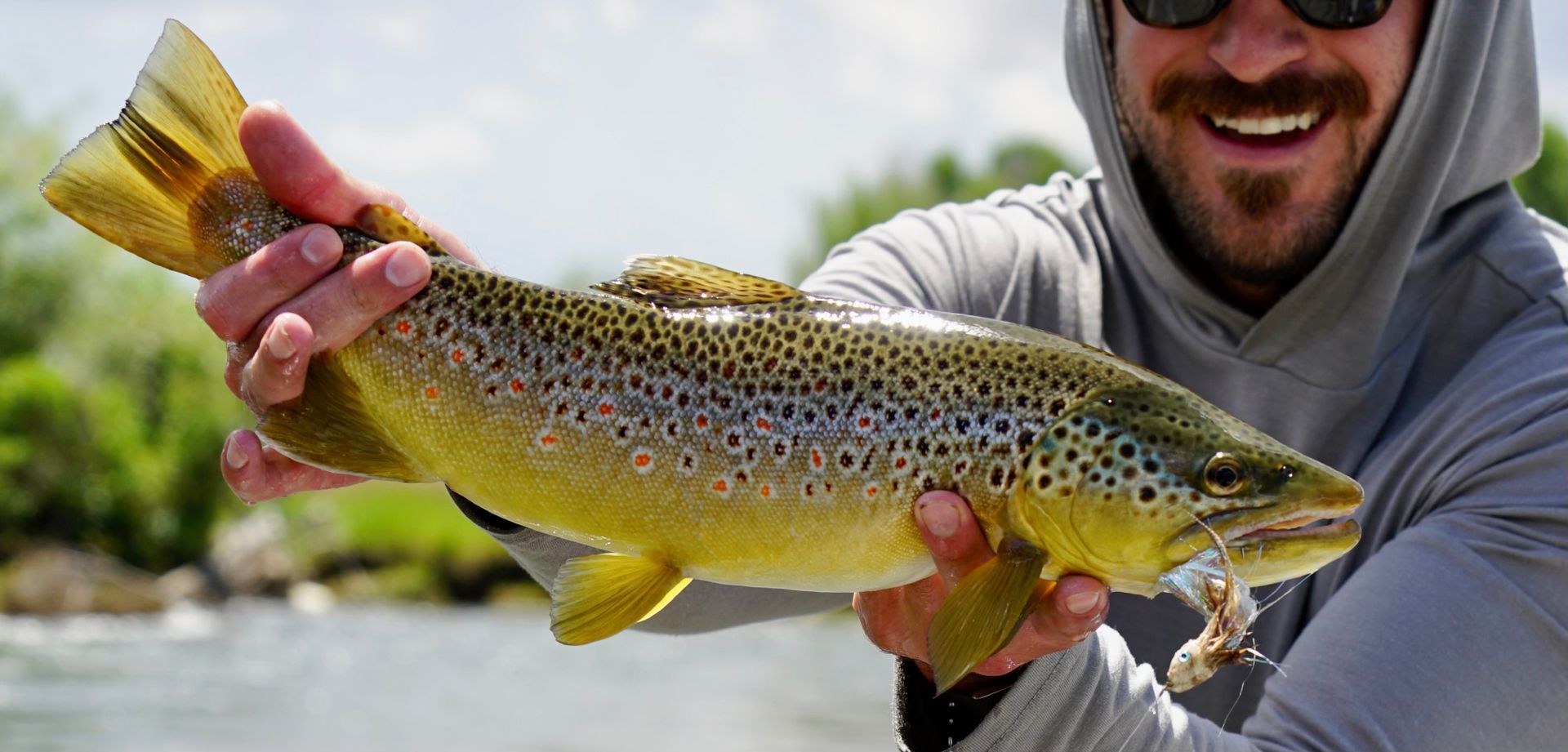
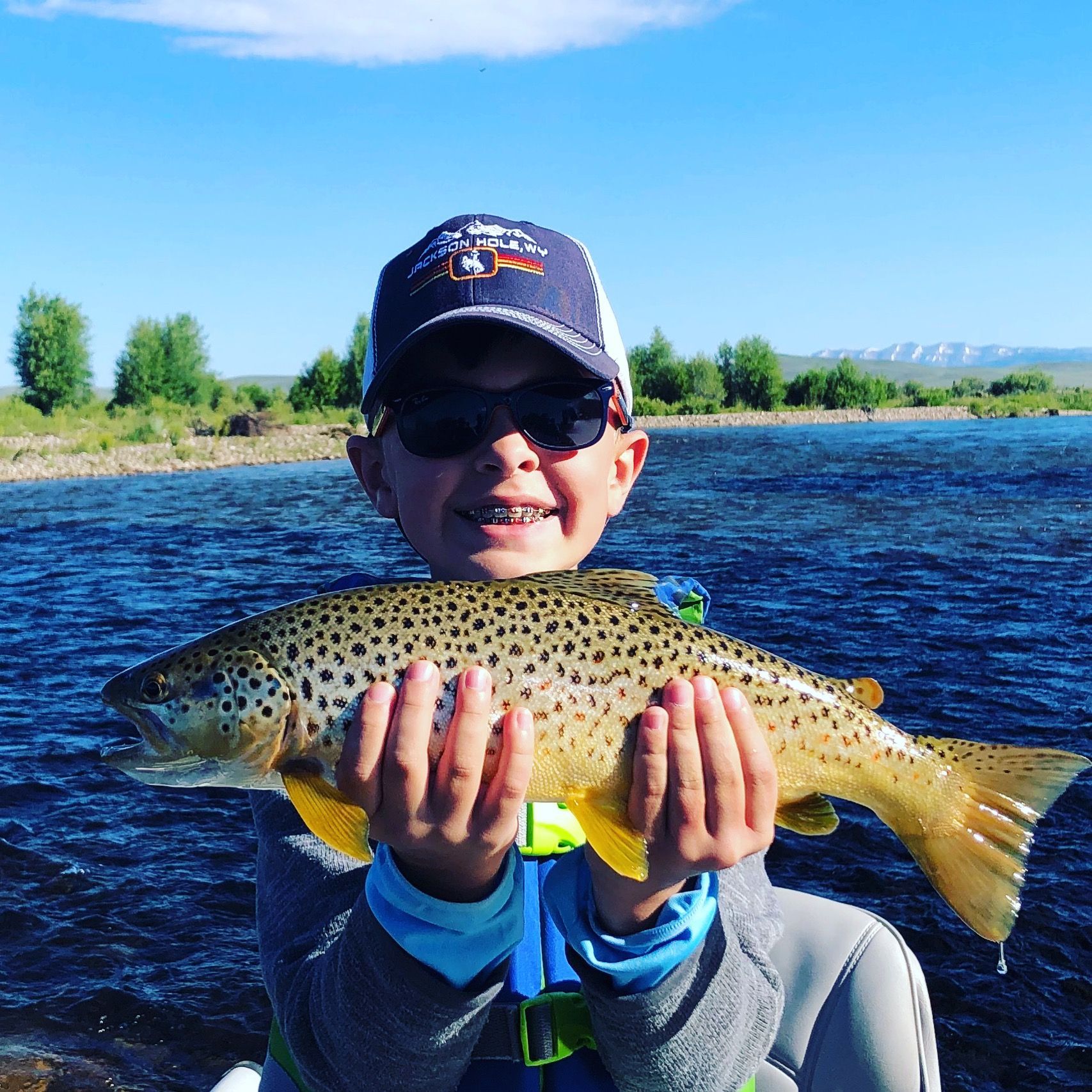
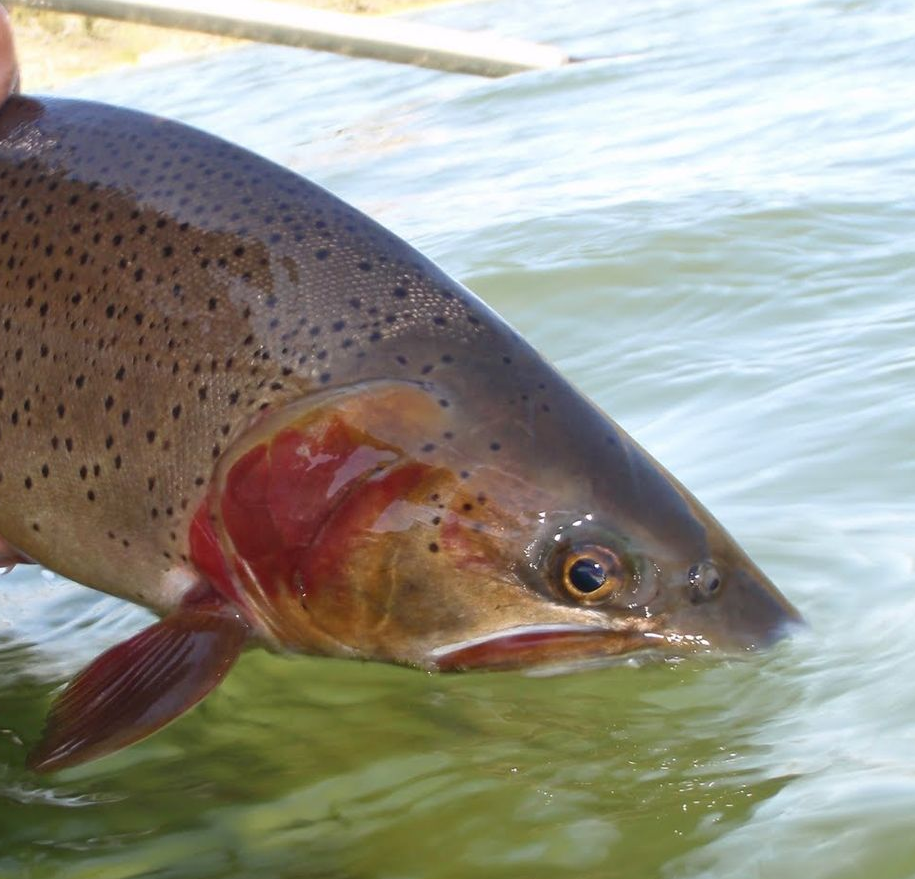
Jackson Hole Anglers has guided these rivers since 2001, and summer is when the fishery shows its full character. The Snake River alone averages over 800 fish per mile, so the odds favor steady action. Native cutthroat trout are surface-oriented and willing, which suits dry-fly fishing perfectly.
Summer Fishing Month by Month
Each summer month has its own rhythm. June clears the runoff, July peaks the floats, and August rewards anglers with lower, clearer water and technical surface fishing. Understanding the progression helps you choose dates that match the kind of day you want on the river.
Here is how the season typically unfolds:
- June: Runoff clearing and flows dropping into shape. Big stonefly activity as water clears, with salmonflies and golden stones bringing trout up to large dry flies.
- July: Stable flows, warm weather, and peak season. Prime float fishing with PMDs and caddis, the busiest and most productive surface window of the year.
- August: Lower, clearer water and technical conditions. Terrestrial season with hoppers and ants, where precise drifts along grassy banks reward patient casting.
Conditions shift week to week, so timing your trip to live information matters. Before you lock in your dates, take a moment to check the current Jackson Hole fishing report for up to date flows, hatches, and which rivers are fishing best right now.
Best Rivers to Fish in Summer
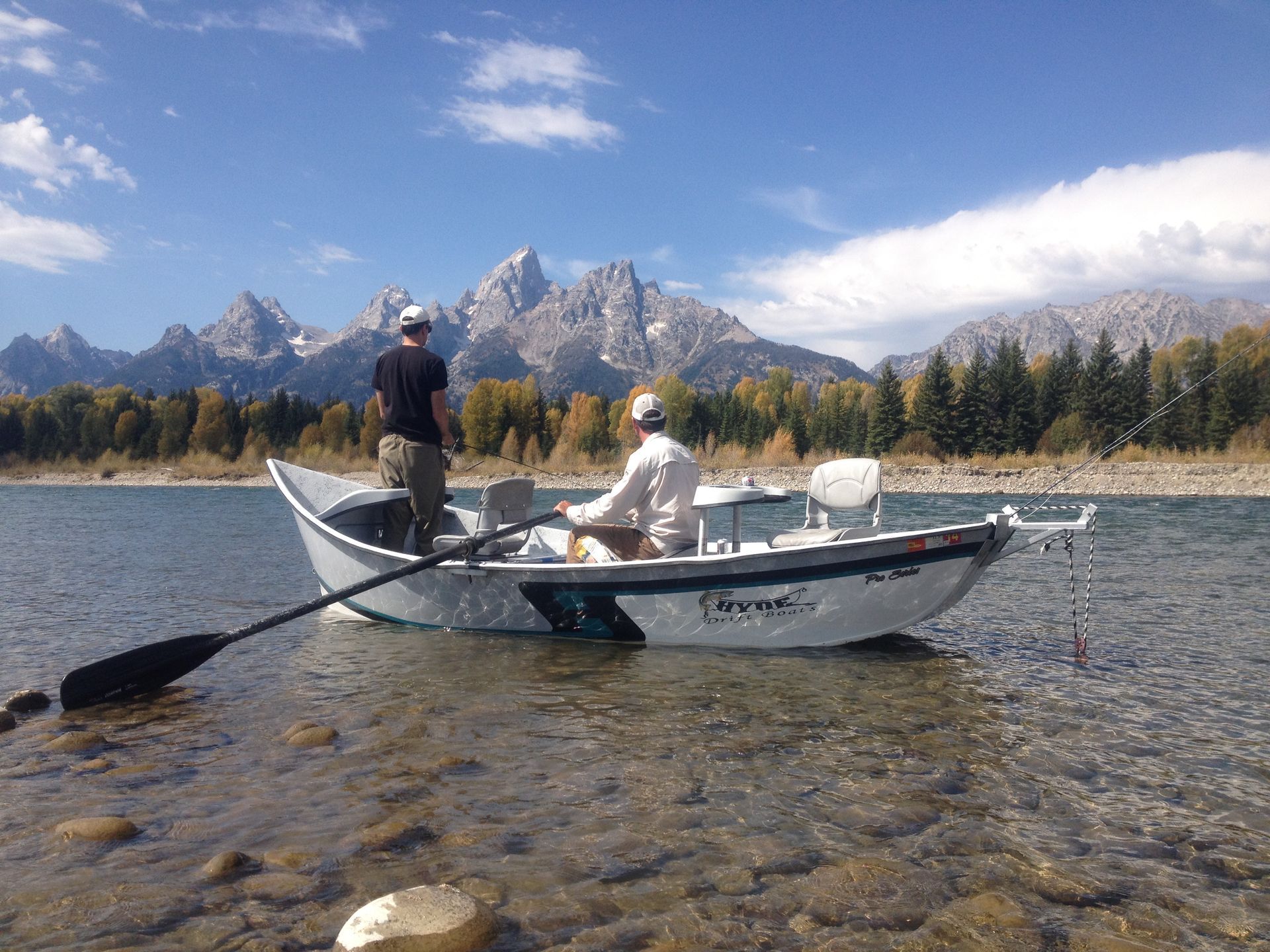
The Snake River is the scenic centerpiece of summer fishing here. It runs more than 40 miles through the heart of Jackson Hole, home to native cutthroat trout and framed by spectacular Teton scenery. Most stretches fish best by drift boat.
A standout summer option is the Snake River whitewater canyon, an eight-mile stretch most guides never run. When rising temperatures slow fishing elsewhere, the deep canyon water stays cold and the cutthroat keep biting. Fewer boats reach it, so you fish productive water with little pressure.
The Green River offers a different feel, with strong stonefly activity and big mayfly hatches like Green and Gray Drakes arriving as summer settles in. Its varied water rewards anglers willing to switch between nymphs, dries, and streamers throughout a single, productive day on the water.
The New Fork, a tributary of the Green, gives anglers quieter water and a more intimate setting away from busier stretches. It pairs naturally with Green River trips and overnight options high in the Wind River Mountains, where unlimited fishing and mountain scenery define the experience.
The Salt River shines in summer dry-fly conditions, shifting through caddis, mayfly, and stonefly hatches as its gradient changes along the way. Flat Creek, meanwhile, is famously technical, a spring creek that rewards precise presentations and tests even experienced anglers chasing selective, wary trout.
Summer Hatches and Fly Patterns
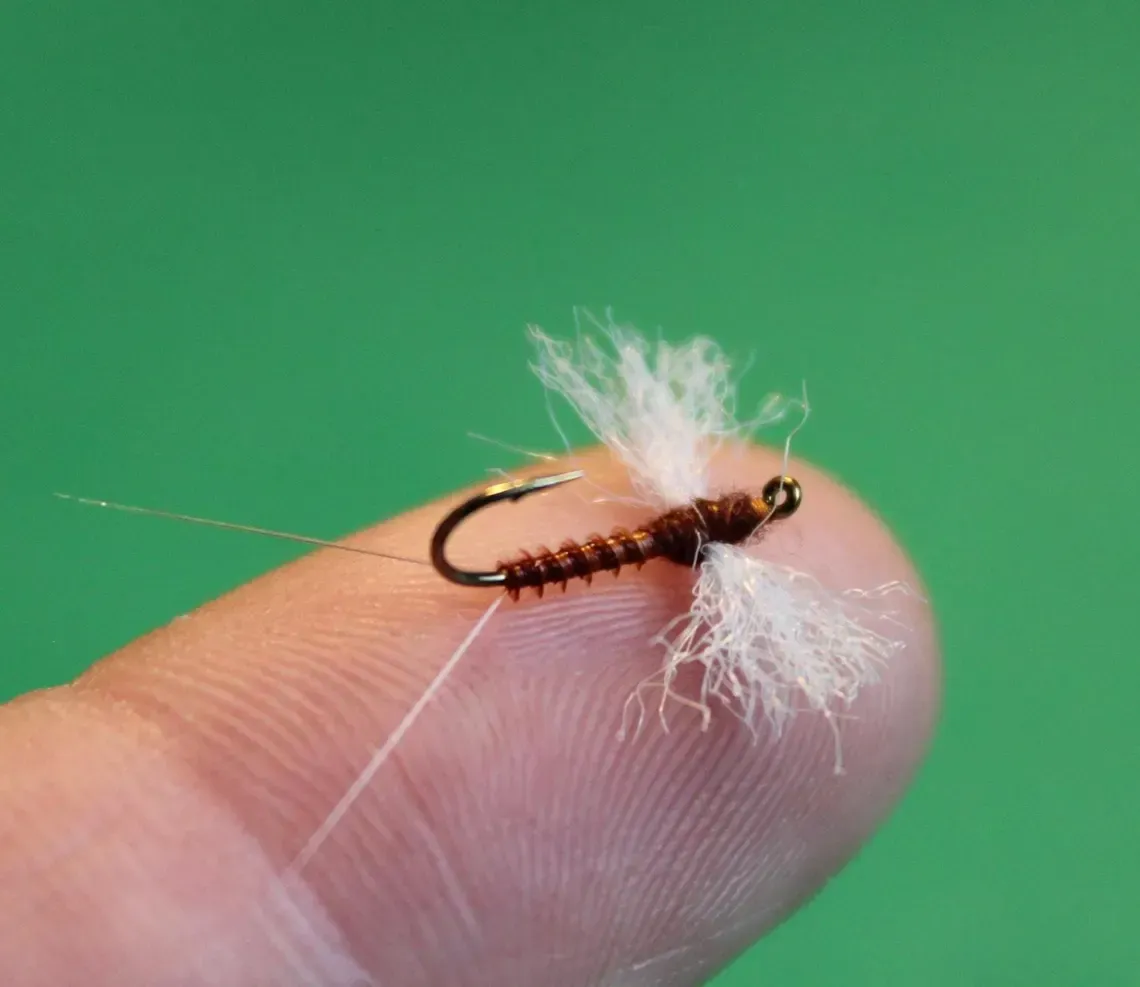
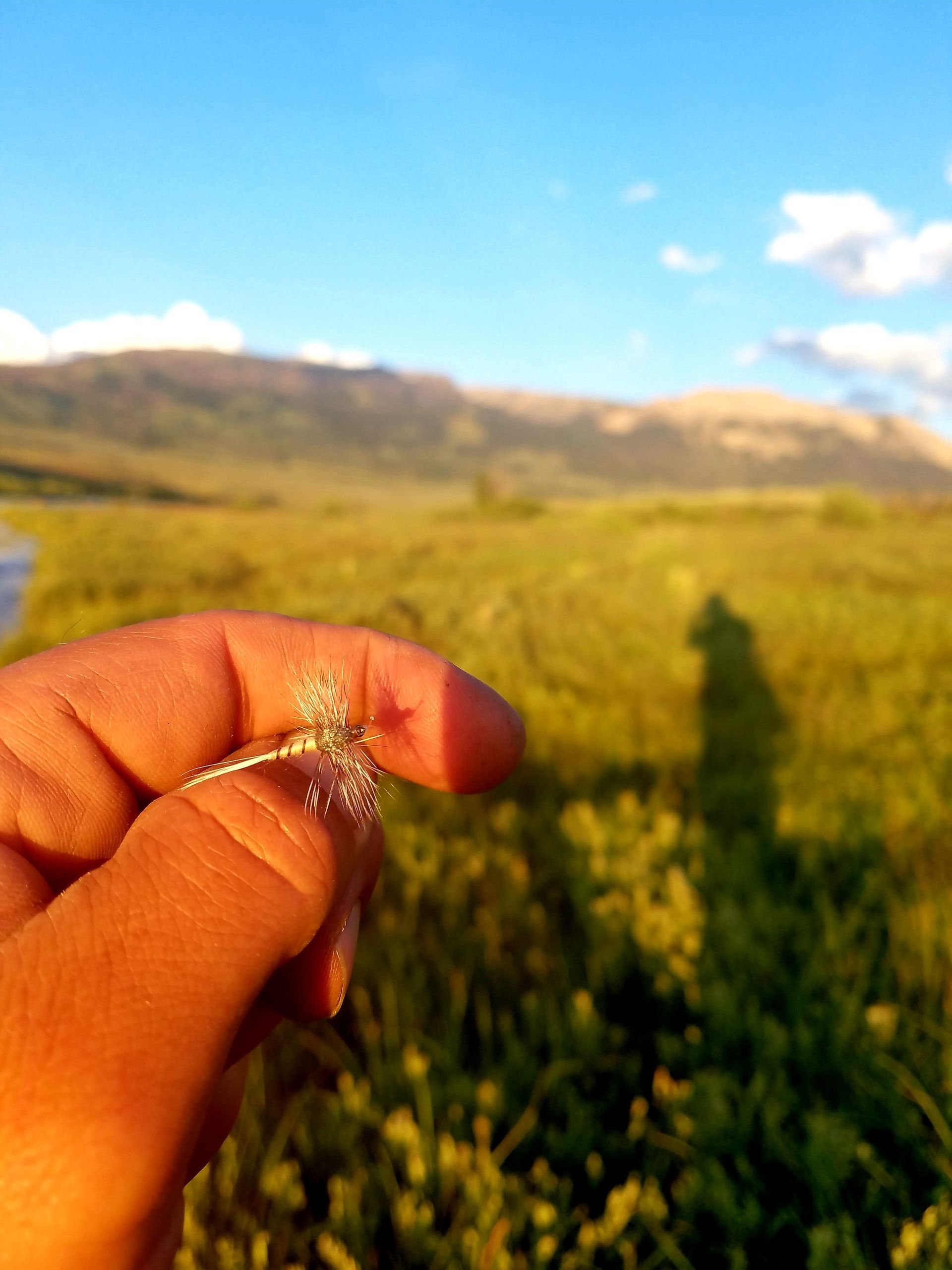
Summer brings a steady parade of bugs that keep trout looking up. Early on, salmonflies and golden stones dominate, drawing fish to large, visible dry flies. As the season warms, pale morning duns and caddis fill the daily hatch and reward attentive, well-timed casting.
By late summer, terrestrials take over as the headline food source. Grasshoppers and ants tumble onto the water from grassy banks, and trout key in on these easy, high-calorie meals. This is the season for big foam hoppers drifted tight against the bank.
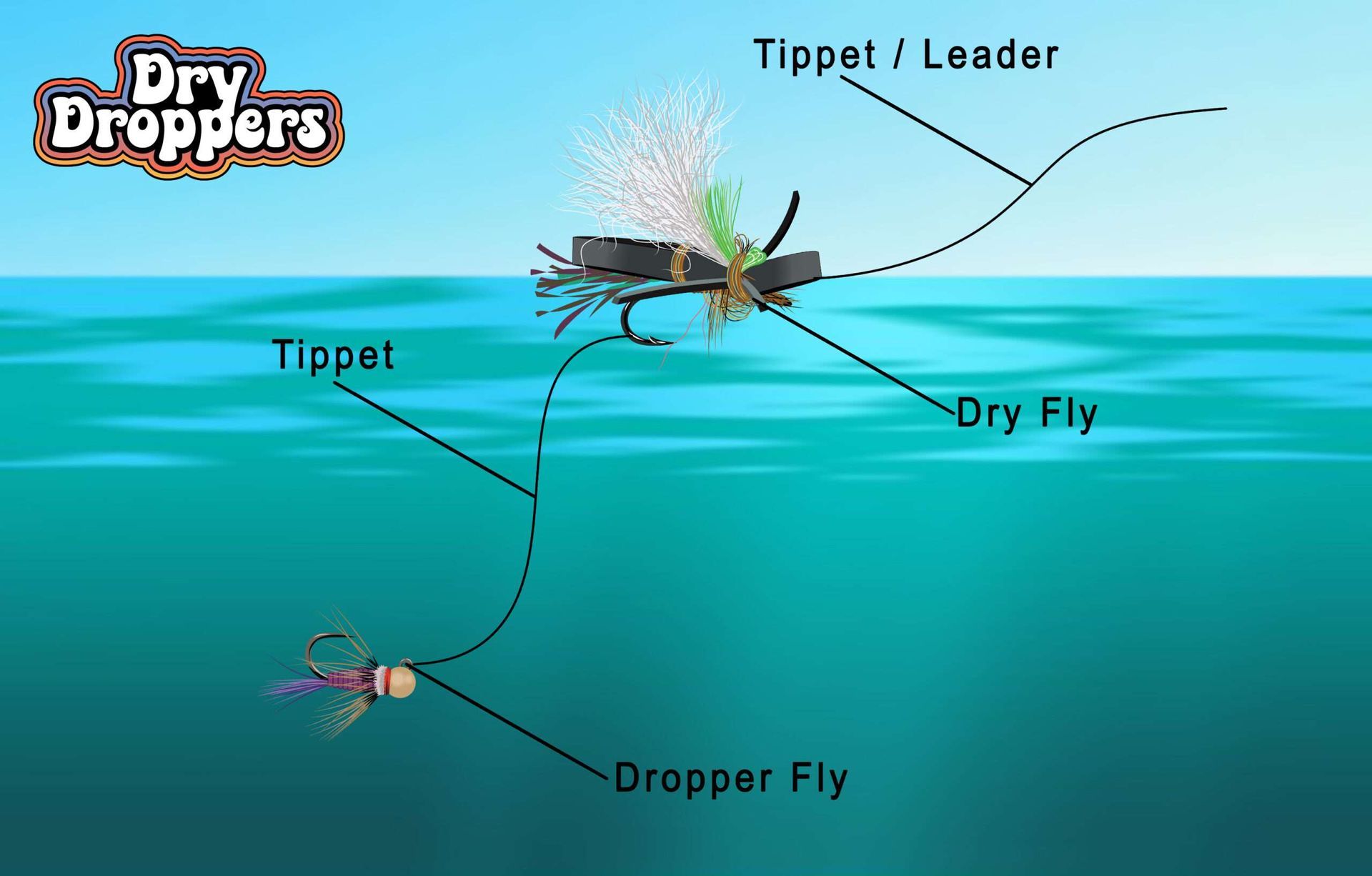
A hopper-dropper rig is the classic summer setup, and it drives much of the surface action. A buoyant hopper rides on top while a small nymph trails below, covering two feeding zones at once. Drifted along grassy edges, it tempts both surface feeders and subsurface trout.
What to Pack and Expect
Summer weather in the valley swings from cool mornings to warm afternoons, so layers are essential. Pack a light insulating layer and a packable rain shell alongside short sleeves. Mornings on the river can feel crisp even when the forecast promises a hot, sunny afternoon ahead.
A few items make a noticeable difference on the water. Polarized sunglasses cut glare and help you spot fish and structure, while sun protection guards against long days of exposure. Waders are rarely needed in summer, since most fishing happens comfortably from the boat in warm conditions.
A quick summer packing checklist:
- Layers, including a light jacket and packable rain shell.
- Polarized sunglasses to cut glare and spot fish.
- Sun protection, including hat, sunscreen, and lip balm.
- A water bottle and a sense of adventure.
The simplest way to fish well is to let a guide handle the details. Guided fly fishing trips include rods, reels, flies, boats, and transportation, so gear, licensing logistics, and river access are sorted. You travel light and focus entirely on the fishing.
Ready to Plan Your Summer Trip?
Summer is the high point of the Jackson Hole fishing year, with clear water, long days, and the best dry-fly action of the season. From June stoneflies to August hoppers, each month offers something different across the Snake, Green, Salt, and other storied rivers.
Prime summer dates fill up fast, so it pays to lock in early. Local guides track daily conditions and tailor each day to your goals and skill level. If you would like help planning your trip, reach out here and secure your time on the water.