Teaching Kids to Fly Fish in Jackson Hole, A Parent Guide
Introducing your kids to fly fishing can feel daunting, but Jackson Hole makes it remarkably easy. The valley pairs eager, forgiving trout with patient local guides who specialize in first-timers. For families visiting Grand Teton or Yellowstone, it is one of the most rewarding places to start.
This guide covers what parents most want to know, the right age to begin, why fly fishing works well for kids on moving water, what to pack, and how to keep children engaged. With a little planning, a first day on the water becomes a lasting family memory.
Why Jackson Hole Suits Young Anglers
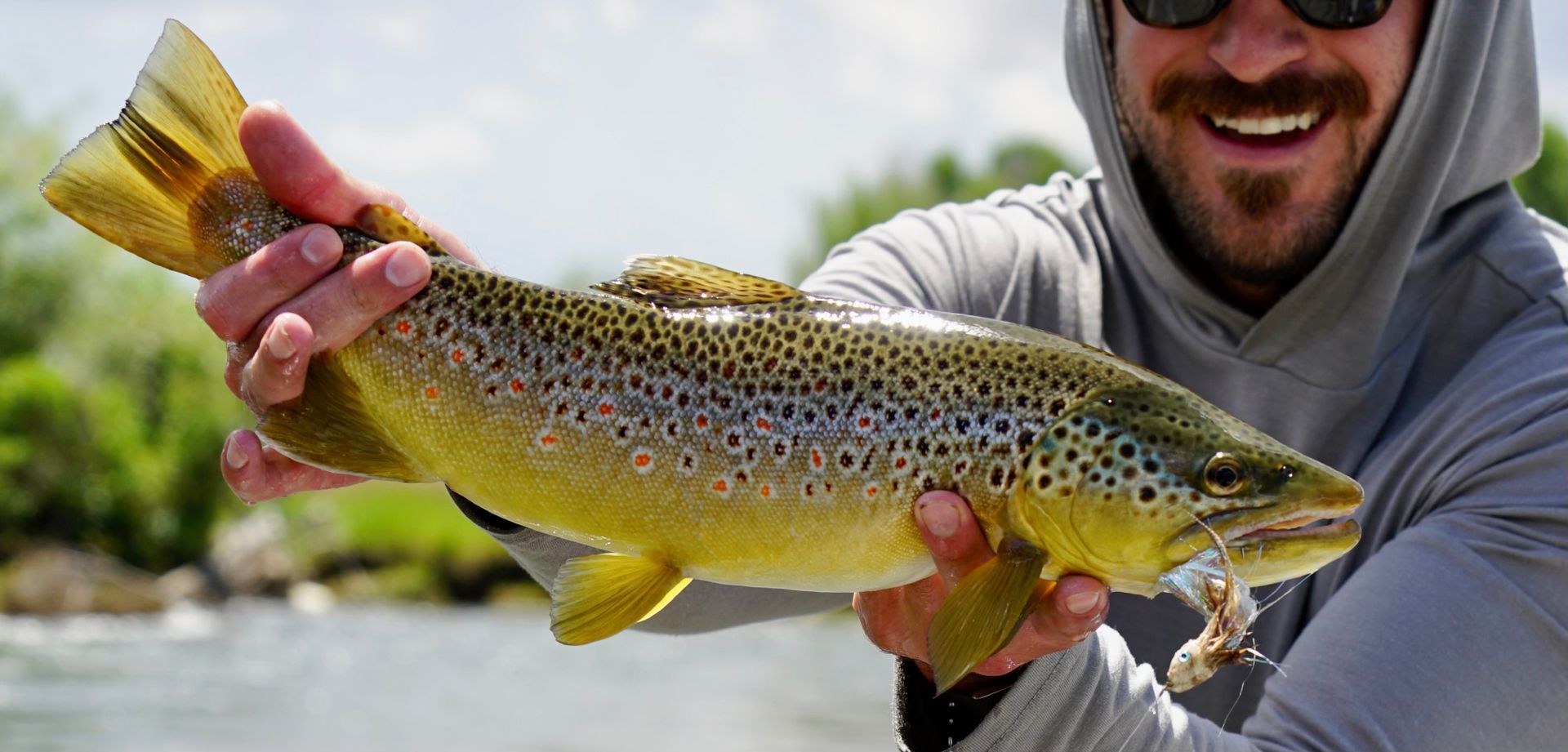
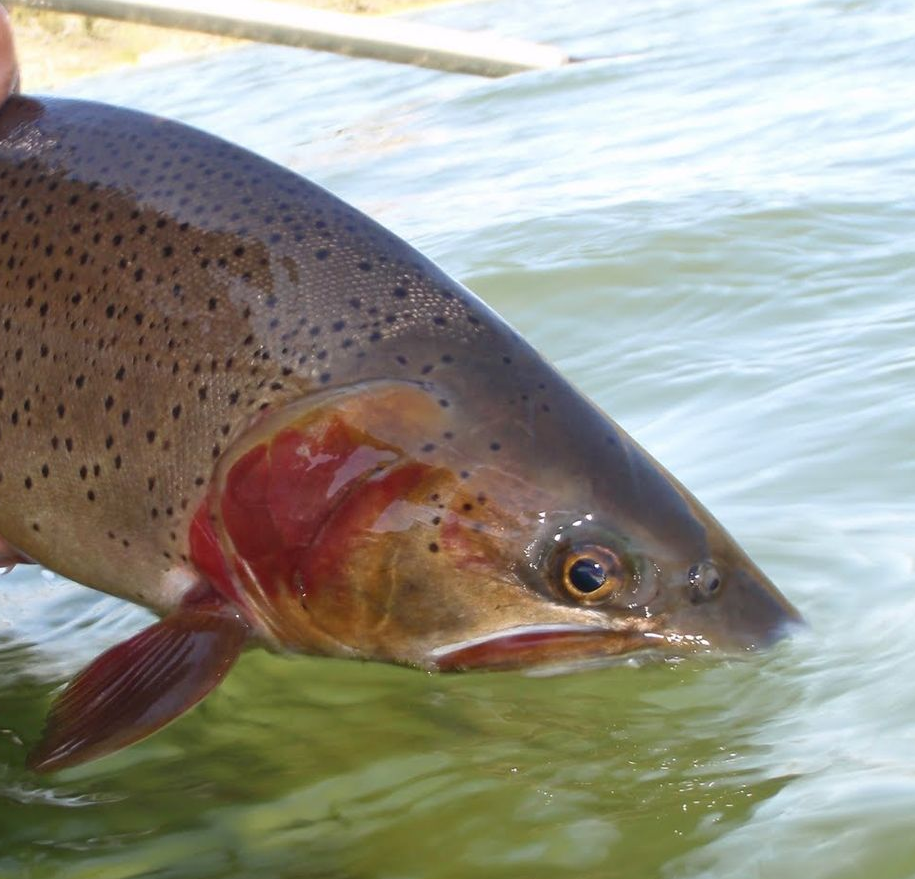
Jackson Hole suits young anglers because the fish cooperate. The valley's native cutthroat trout are famously aggressive and surface-oriented, readily rising to big, visible dry flies. That means kids see the take, feel the tug, and connect the dots quickly between casting and catching something real.
Big foam hoppers are a summer favorite for exactly this reason. They float high, are easy for small eyes to track, and draw confident strikes. Quick early success builds confidence fast, and a child who catches a fish in the first hour stays interested all day.
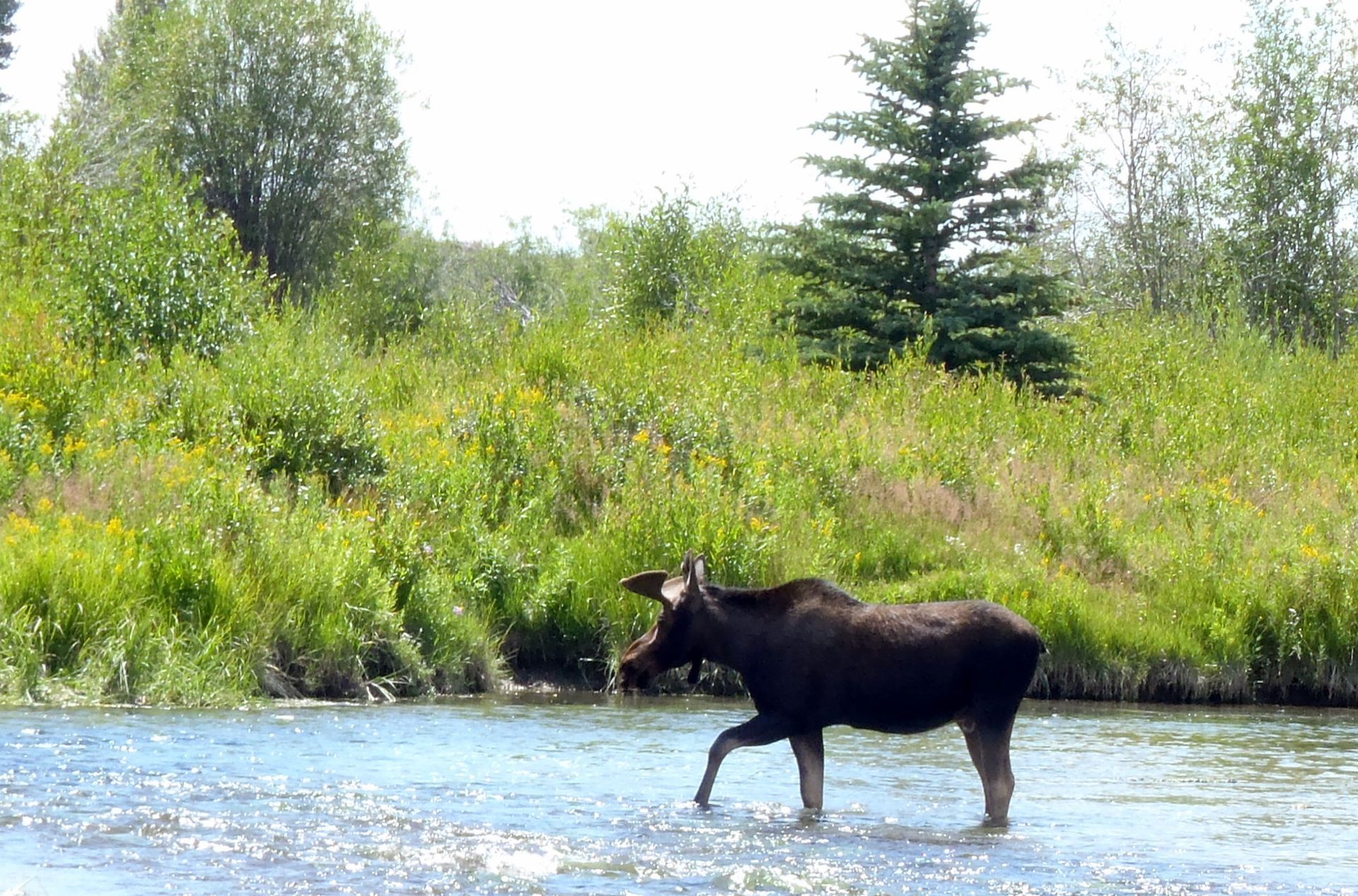
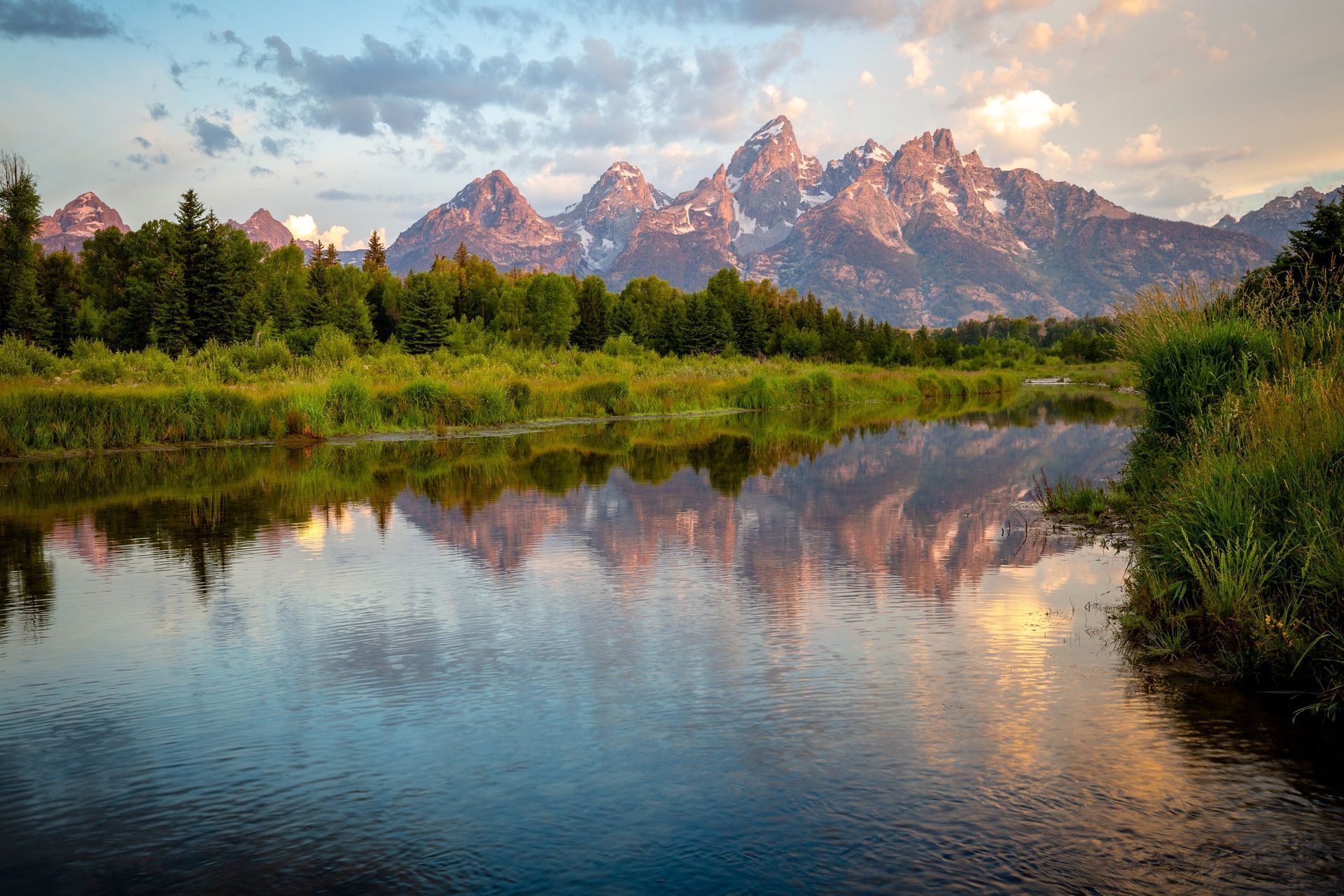
The setting helps too. Much of the water around Jackson Hole is scenic and beginner-friendly, with gentle floats framed by mountain views and frequent wildlife sightings. Even during slower fishing, there is plenty to hold a child's attention, from bald eagles overhead to moose along the banks.
Best Age to Start Kids
Readiness varies more by child than by birthday. Attention span, comfort around water, and interest matter more than age alone. Some children are ready at seven, while others do better waiting another year or two. You know your child's temperament better than any guideline can capture.
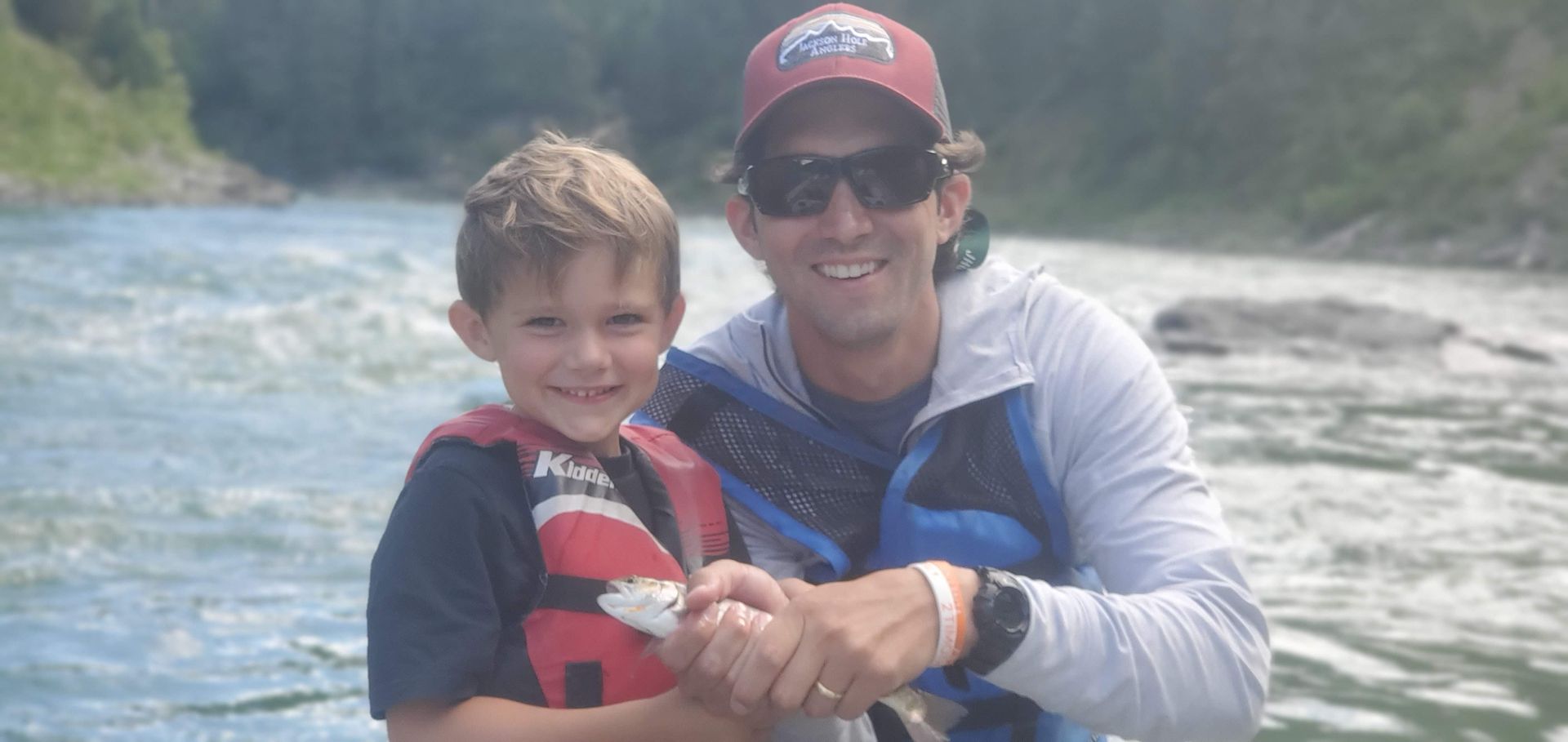
As a practical benchmark, our minimum age is five, and we take plenty of young kids out. Little ones often spend the day fishing a bit, netting fish, or just enjoying snacks by the water. By around eight or nine, most really start to pick it up and cast with the focus and coordination fly fishing rewards.
If you are unsure whether your child is ready, the simplest step is to ask. Guides who work with families every day can talk through your child's age and temperament honestly. You can reach out directly to discuss options and get a candid recommendation before you book.
Why Fly Fishing Suits Kids on Rivers
On moving water like Jackson Hole's western rivers, fly fishing is often easier to teach a child than you might expect. The rhythm of casting gives kids a clear, repeatable motion to focus on, and watching a fly drift toward a rising trout keeps them locked into the water in front of them.
That focus is a big part of why it clicks. Rather than fighting the current, a young angler learns to read the drift and time the cast, skills that come surprisingly fast once a child feels a trout rise to the fly. Barbless hooks keep the day safe and low-stress, easy to handle and quick to release.
Guides pace the learning to each child, starting with short, simple casts and building from there. That patient, step-by-step approach keeps kids catching fish and engaged while they gain confidence at their own speed.
What to Pack for Kids
Packing for kids is mostly about comfort. Mountain mornings can start in the 40s and climb into the 80s by afternoon, so dress children in layers they can shed. Add a hat and plenty of sunscreen, since sun exposure on the water is intense at this elevation.
Snacks and water matter more than you might expect. Hungry, thirsty kids lose interest fast, so pack favorites and a refillable bottle. Polarized sunglasses are worth adding too, cutting glare so children can spot fish and protecting their eyes through a long, bright day outdoors.
A quick packing checklist for kids:
- Layers they can add or shed as the day warms.
- A hat and plenty of sunscreen for high-elevation sun.
- Polarized sunglasses to cut glare and protect young eyes.
- Favorite snacks and a refillable water bottle.
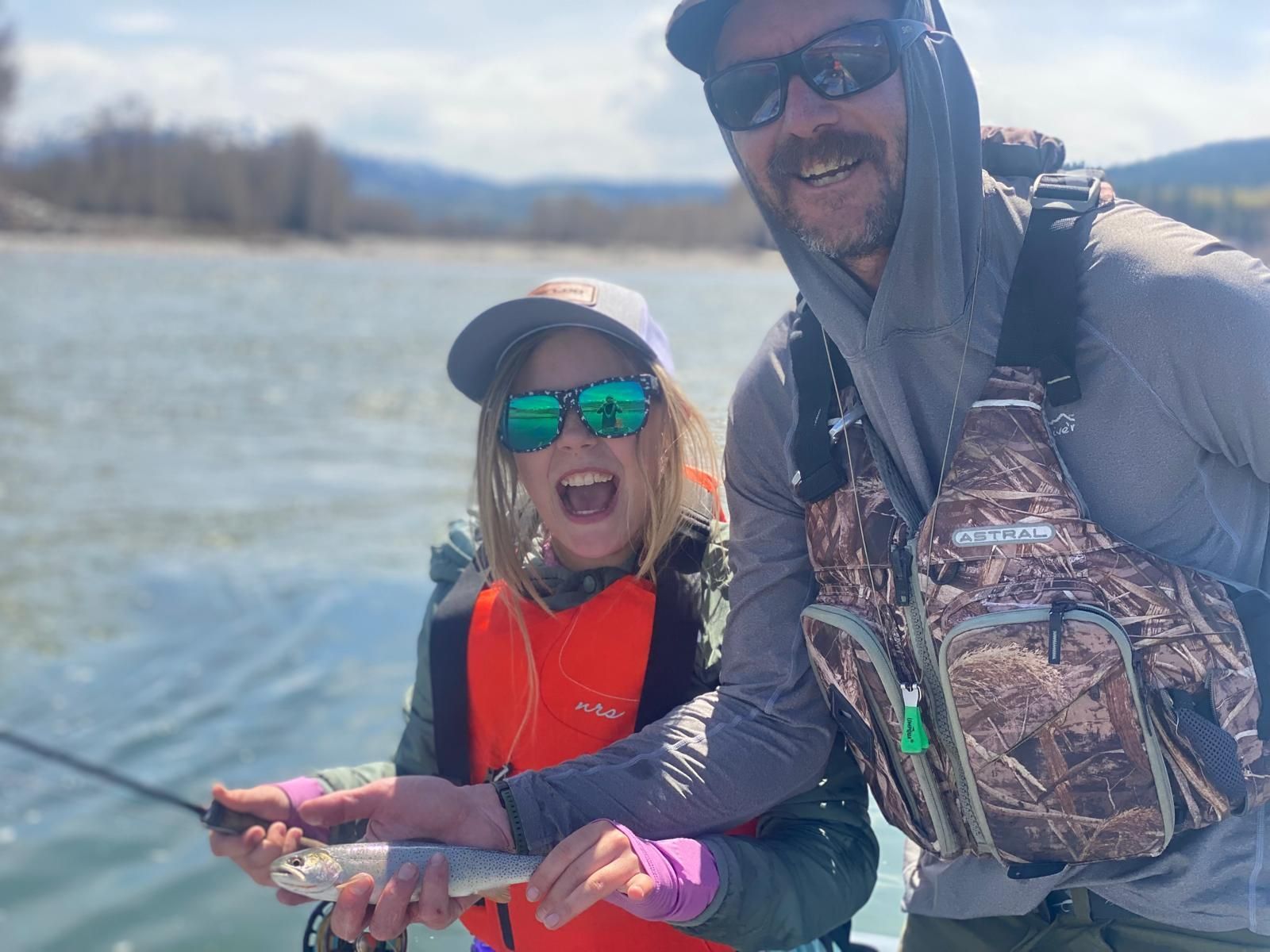
Happily, the gear itself is handled for you. Guides supply child-appropriate rods and properly fitted life jackets, so families travel light and skip buying equipment a child may outgrow. For a full rundown of what is provided and what to bring, see the what you need page.
Tips to Keep Kids Engaged
Keeping kids engaged starts with right-sizing the day. Younger children usually do best on a half day rather than a full one, which matches their attention span and ends on a high note. A shorter, successful outing beats a long day that fizzles into boredom.
Celebrate the small wins along the way. A first cast, a fish spotted, or a near-miss all deserve enthusiasm, since encouragement keeps energy high. Leading by example helps too, as children mirror a parent who stays patient, curious, and genuinely delighted by every little moment on the river.
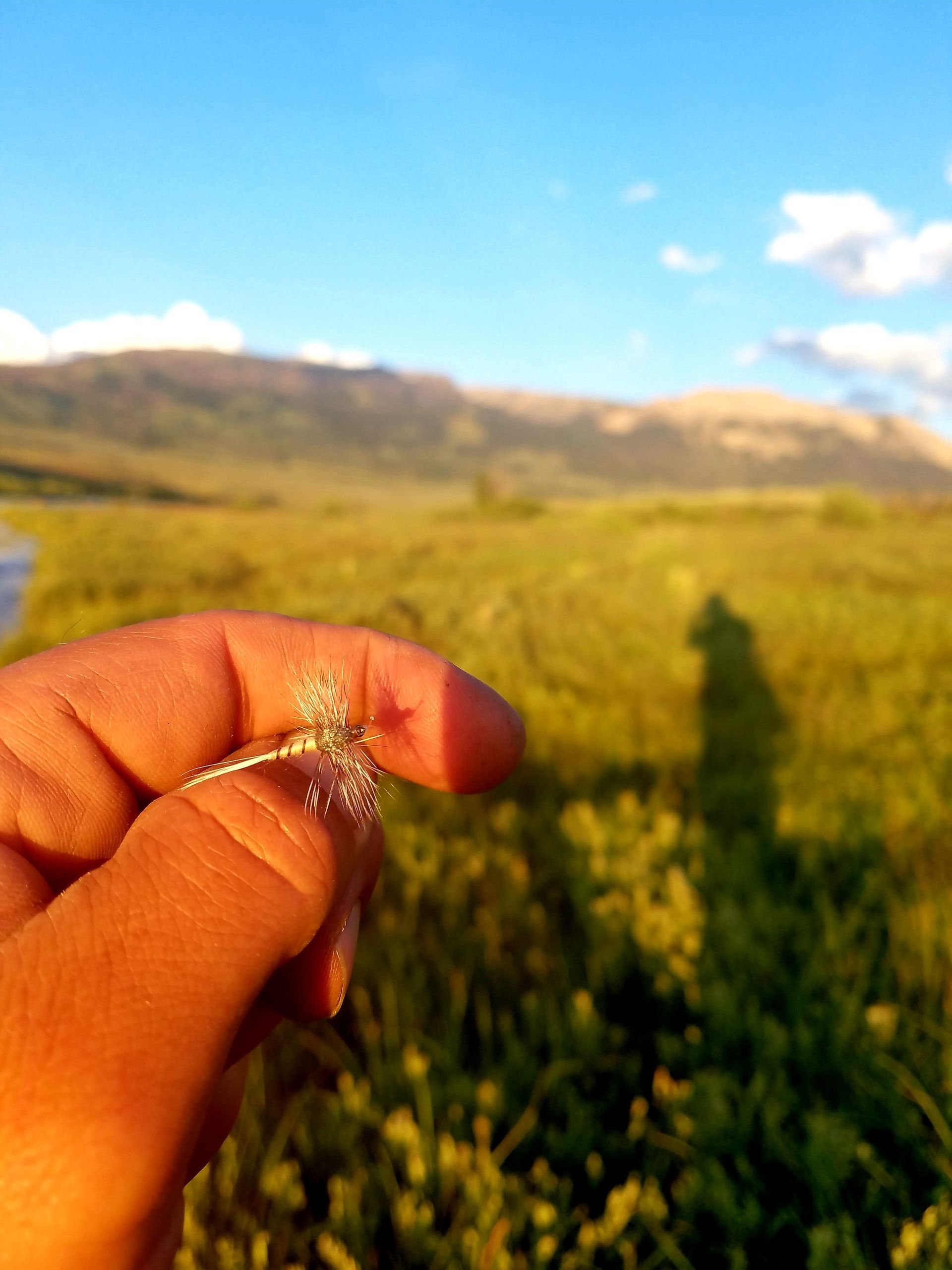
Curiosity is a powerful motivator. Teaching kids about the fish they are chasing and the insects trout eat turns waiting into discovery. Many guides fold this naturally into the day, and a half day trip leaves room for learning without testing a child's patience.
What to Expect on a Trip
Knowing the rhythm of a trip helps the whole family relax. The night before, your guide checks in to confirm timing and answer questions. After a short morning drive to the river, the day opens with a casting lesson and a safety briefing at the boat. A standard drift boat carries one or two anglers, and can take three when the group's combined weight is under 500 pounds, which leaves comfortable room for a parent and child to fish alongside the guide.
Life jackets are provided and worn on the water, and guides keep safety front and center all day. With just one or two anglers aboard, rod time flows naturally and each child gets plenty of focused turns. That relaxed pace keeps younger kids from feeling overwhelmed while everyone stays part of the action.
Ready to Get Your Kids Fishing?
A guided day takes the pressure off parents. You do not have to teach casting, rig rods, or read the water yourself, because patient guides handle the details while you focus on your kids. That support is what turns nervous first casts into proud, lasting family memories.
Jackson Hole gives families an ideal place to begin, with willing trout, forgiving water, and guides who genuinely enjoy teaching children. If you would like to plan a family trip, reach out here and the team will help you build a day around your kids.